Summary:
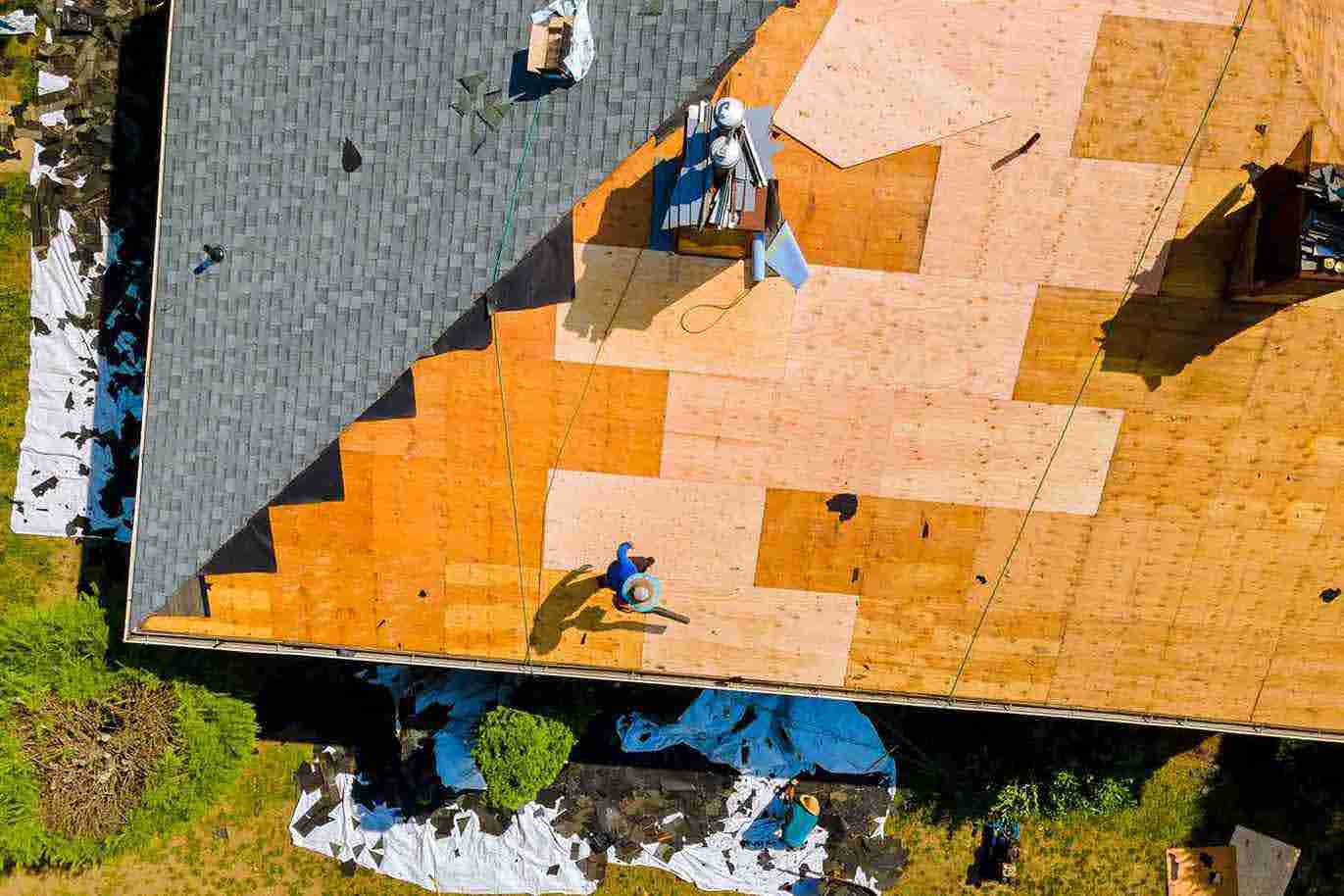
Home renovations often focus on interiors, but an aging roof can undo those investments quickly. This article explains why replacing your roof before remodeling protects your budget, prevents water damage, avoids inspection delays, and ensures your renovation dollars are protected for decades.
Home renovations get homeowners dreaming about granite countertops, hardwood floors, and spa bathrooms. The Pinterest boards fill up with design inspiration while contractors start sending quotes for interior work. Meanwhile, that aging roof sits overhead, quietly approaching the end of its lifespan.
This sequencing mistake costs homeowners thousands of dollars every year. Pouring money into beautiful interior upgrades while ignoring a failing roof is like buying expensive furniture for a house with a leaky ceiling.
The roof doesn’t just sit on top of the home. It protects every investment underneath it, from the framing to the finishes. When homeowners understand why roofing should happen before remodeling, they save money, avoid delays, and protect their renovation investment for decades.
Why the Roof Should Come Before Any Remodel
It Protects Every Part of Your Home Renovation
A new kitchen with custom cabinets and quartz countertops represents a significant investment. So do new hardwood floors, fresh drywall, upgraded electrical panels, and designer lighting fixtures. All of these improvements sit vulnerable beneath an aging roof that could start leaking any time.
Water damage from roof leaks doesn’t announce itself with dramatic flooding. Instead, it starts small. A minor leak drips into wall cavities, where moisture promotes mold growth behind new drywall. Another leak seeps through attic insulation and stains the freshly painted ceiling. Water finds electrical wiring and creates safety hazards.
Fixing roof damage after completing interior renovations multiplies the repair costs. Contractors need to tear out new finishes to access water-damaged framing. Fresh paint gets ruined. New flooring buckles from moisture. The beautiful renovation that took months to complete suffers damage that could have been prevented by replacing the roof first.
Roof Replacement Helps Set the Budget Early
Roofing ranks among the most expensive exterior home improvements. This cost needs clear accounting before homeowners commit their renovation budget to interior work.
Starting with the roof establishes realistic financial boundaries for the entire project. Homeowners know exactly what money remains available for kitchen upgrades, bathroom remodels, or other improvements. This prevents the nightmare scenario of someone spending their renovation budget on interior work only to discover the roof needs emergency replacement halfway through the project.
Emergency roof repairs always cost more than planned replacements. When a roof fails during a remodel, homeowners face difficult choices:
- Pause interior work while scrambling to finance unexpected roofing costs
- Accept cheaper roofing materials or rushed installation to stay on budget
- Scale back planned interior upgrades to free up money for the roof
None of these options delivers the results homeowners wanted when they started planning their renovation.
It Ensures You Pass Inspections Without Delays
Building permits for major renovations trigger inspections at various project stages. Inspectors evaluate whether homes meet current building codes and safety standards. A failing roof creates red flags that can halt the entire renovation process.
Inspectors checking structural modifications don’t ignore obvious roofing problems. Missing shingles, sagging sections, or visible water damage signal that the home needs attention before interior work proceeds. Some inspectors will deny permits or require roof repairs as a condition for approving other renovation work.
A new roof installed before pulling permits eliminates these inspection complications entirely.
How Roof Replacement Improves Your Whole Renovation

Better Energy Efficiency for New HVAC, Windows, and Insulation
Many renovation projects include energy efficiency upgrades. New HVAC systems promise lower utility bills. Energy-efficient windows reduce heat transfer. Additional insulation keeps conditioned air inside the home. These improvements deliver disappointing results when an old, poorly ventilated roof undermines their performance.
Roofs act as the home’s first defense against heat gain. In Florida’s climate, intense sun beats down on roofing materials all day long. Old roofs with inadequate ventilation trap heat in attic spaces. This superheated air radiates down into living areas, forcing air conditioning systems to work harder.
A new roof with proper ventilation, modern underlayment, and reflective materials reduces heat transfer dramatically. This creates ideal conditions for other energy upgrades to perform at their rated efficiency. The improvements work together instead of fighting against heat problems originating from above.
Enhances Curb Appeal Before Other Upgrades
First impressions matter when selling a home or simply enjoying the property. The roof represents one of the largest visible surfaces on any house. An aging roof with faded shingles, missing tiles, or obvious wear instantly signals deferred maintenance to everyone who sees the property.
Spending money on landscaping, fresh paint, new siding, or other exterior improvements makes little sense when an ugly roof dominates the view. A beautiful yard and pristine paint job can’t compensate for a roof that looks tired and worn.
Installing a new roof before tackling other exterior work creates a halo effect for the entire property. The fresh roofing materials make everything else look better. Gardens and hardscaping appear more polished. Exterior paint colors pop against clean roofing lines.
Prevents Hidden Structural Damage From Spreading
Roof leaks rarely stay confined to one small area. Water follows gravity and finds every path downward through the home’s structure. A leak that starts at damaged flashing might travel along the roof sheathing, drip onto wall framing, seep into soffit boards, and eventually stain exterior siding far from its origin.
This hidden damage spreads silently while homeowners focus on interior renovations. Addressing the roof first stops this destructive process before starting other improvements. Roofing contractors can inspect the entire roof structure, replace damaged decking, repair or upgrade flashing, and ensure every vulnerable point is properly protected.
When a Roof Replacement Should Come First
Visible Signs of Wear or Aging
Homeowners planning renovations should take an honest look at their roof’s condition before making any other decisions. Walking around the property reveals obvious problems:
- Shingles that curl at the edges
- Bald spots where granules have worn away
- Cracked or broken tiles
- Rust at fastener points or along seams on metal roofs
- Sagging sections anywhere on the roof
No homeowner should proceed with interior renovations while the roof structure shows signs of failure. The risk of catastrophic damage during the remodel project is simply too high.
Storm Damage or Insurance Considerations
Florida homeowners face frequent severe weather that damages roofing systems. Hurricane-force winds tear off shingles and tiles. Hail from thunderstorms cracks roofing materials. Fallen branches puncture roof surfaces. Homeowners with insurance coverage for storm damage can often get their roof replaced at minimal out-of-pocket cost.
This presents an excellent opportunity for homeowners planning renovations. Insurance proceeds for roof replacement free up the renovation budget for interior improvements. The home gets a new roof that protects future upgrades, while homeowners can allocate more money toward kitchen and bathroom projects.
Planning Major Interior Investments
High-end kitchen remodels represent substantial investments. Luxury bathrooms with custom tilework and premium fixtures run about the same. New flooring throughout a home adds up quickly. Any homeowner committing significant money to interior improvements needs absolute confidence that their roof will protect these investments for years to come.
The math is simple. Spending money on a kitchen remodel while ignoring an old roof creates unnecessary risk. If that roof fails within a few years, water damage could cost thousands of dollars in recent improvements. Installing a new roof first ensures the investment stays protected.
How to Plan Your Roof Replacement Before a Remodel
Get a Professional Roof Inspection
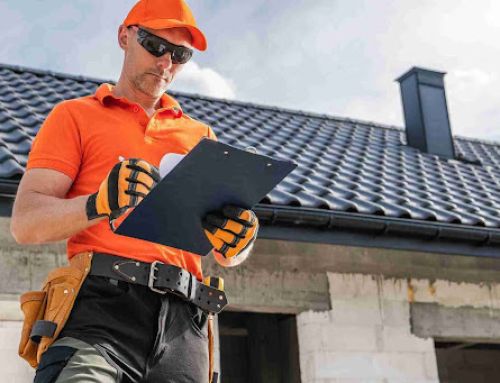
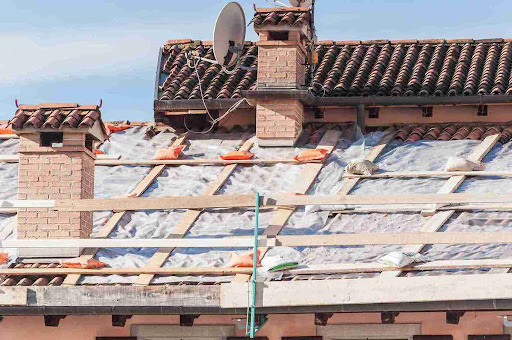
Homeowners can spot obvious roofing problems from the ground, but professional inspections reveal issues that aren’t visible to untrained eyes. Licensed roofing contractors examine every detail:
Water intrusion at flashing points around chimneys, skylights, and vent pipes
Condition of the roof valleys where water concentrates during rain
Signs of moisture damage or structural weakness in the roof deck
Proper ventilation to prevent heat buildup and moisture accumulation
Past leaks, mold growth, and insulation issues in attic spaces
This inspection information helps homeowners make informed decisions about renovation timing and budgeting.
Choose Roofing Materials That Support Future Home Value
Not all roofing materials deliver the same performance, appearance, or return on investment. Homeowners planning renovations should select roofing that matches their long-term plans for the property and complements their renovation goals.
Architectural shingles offer good looks at a moderate cost. These dimensional shingles create shadow lines that add visual interest. They come in numerous colors that coordinate with almost any exterior design scheme.
Tile roofing suits Mediterranean, Spanish, and contemporary architectural styles common throughout Florida. Concrete and clay tiles handle wind and weather exceptionally well. They provide excellent energy efficiency by creating air space between the tile and the roof deck.
Metal roofing has gained popularity for good reasons. These systems shed water efficiently, resist hurricane-force winds, and reflect solar heat to reduce cooling costs. Insurance companies often offer premium discounts for metal roofs because they perform better in storms.
Impact-rated roofing materials earn special consideration in Florida. These products pass rigorous testing for resistance to hail and wind-driven debris. Many insurance carriers provide significant discounts for Class 4 impact-rated roofing.
Guardian Home helps Central Florida homeowners navigate these material choices, matching roofing options to both renovation goals and insurance requirements for maximum value.
Coordinate Project Timelines With Your Contractor
Successful renovations require careful scheduling. The roof replacement should wrap up completely before interior demolition and construction begins.
Roofing work generates substantial debris. Dumpsters sit in driveways. Crews use ladders and scaffolding to access the roof. Materials get staged around the property. None of this activity mixes well with interior renovation work happening simultaneously.
Completing the roof first also prevents construction dust and debris from entering the home through any vulnerable points in the old roof. Once the new roof is installed and sealed, interior contractors can work without worrying about weather damage to their materials or work areas.
Understand Costs and Warranty Options
Homeowners should get detailed written estimates from licensed roofing contractors. These estimates need to specify:
- Materials by manufacturer and product line
- All necessary components like underlayment, flashing, ventilation, and fasteners
- Labor costs, permit fees, and debris removal as separate line items
Warranty coverage protects the roofing investment over time. Manufacturers offer material warranties that cover defects in the products themselves. Workmanship warranties from the contractor cover installation problems. Some roofing contractors offer enhanced warranty programs that combine manufacturer and workmanship coverage into a single package.
Frequently Asked Questions
Will my homeowner’s insurance cover a roof replacement before I start my remodel?
Insurance only covers roof damage from covered events like hurricanes, hailstorms, or fallen trees. Policies don’t pay for normal wear and tear or aging. However, if recent storm damage exists, filing a claim before starting your remodel can free up renovation funds for interior work. Have your roof inspected after any significant weather event to document damage promptly.
How do I know if my roof is too old to keep during a major renovation?
Look for visible warning signs like curling shingles, missing granules, cracked tiles, or sagging sections. Most asphalt shingle roofs in Florida last 15 to 20 years due to intense UV exposure and weather. If your roof is approaching or past this age and you’re planning significant interior investments, replacement before the remodel protects your renovation dollars from water damage.
Can I replace just part of my roof and still protect my remodel?
Partial roof replacements rarely make sense when planning major renovations. Water can travel far from its entry point, and patching one section leaves other vulnerable areas untouched. A complete replacement ensures your entire investment stays protected. Plus, mixing old and new roofing materials often creates aesthetic and performance issues.
What roofing material works best with energy-efficient home upgrades?
Metal roofing and light-colored tiles offer excellent heat reflection, reducing attic temperatures and supporting HVAC efficiency. Impact-rated architectural shingles with proper ventilation also perform well. The key is ensuring your new roof includes modern underlayment, adequate ventilation, and materials rated for Florida’s climate. These features help other energy upgrades like new windows and insulation deliver their full potential.
Should I wait until after hurricane season to replace my roof?
Actually, replacing your roof before hurricane season offers better protection for your home and planned renovations. A new roof installed in spring or early summer ensures you’re ready when storms arrive. Waiting until after hurricane season means your aging roof must survive another round of severe weather, potentially causing damage to new interior work if it fails.
Protect Your Renovation Investment With a New Roof
Ready to start your renovation the right way? Schedule your free consultation today.
Guardian Home helps Central Florida homeowners start their remodels the right way, with a strong, reliable roof. Our team knows how to prepare your home for renovations, select the right roofing materials, and ensure the timing aligns with your project schedule. We make sure your new roof protects every upgrade you plan to invest in.
We also offer PACE financing so you can replace your roof without draining your remodeling budget. You get a safe, high-quality roof now while keeping money available for interior improvements.
Don’t risk your renovation with an aging roof overhead. Contact Guardian Home today and build your remodel on a solid foundation that starts at the top.