Summary:
Delaying roof replacement in Florida often leads to insurance non-renewals, higher premiums, interior water damage, and forced emergency projects during hurricane season. This guide explains how aging roofs trigger coverage downgrades, inflate replacement costs through compounding damage, and reduce home value during resale or financing. Homeowners learn why proactive inspections and off-season planning prevent rushed decisions, limited contractor options, and premium pricing. Central Florida homeowners can rely on Guardian Home for proactive guidance that protects insurance eligibility, property value, and long-term costs.
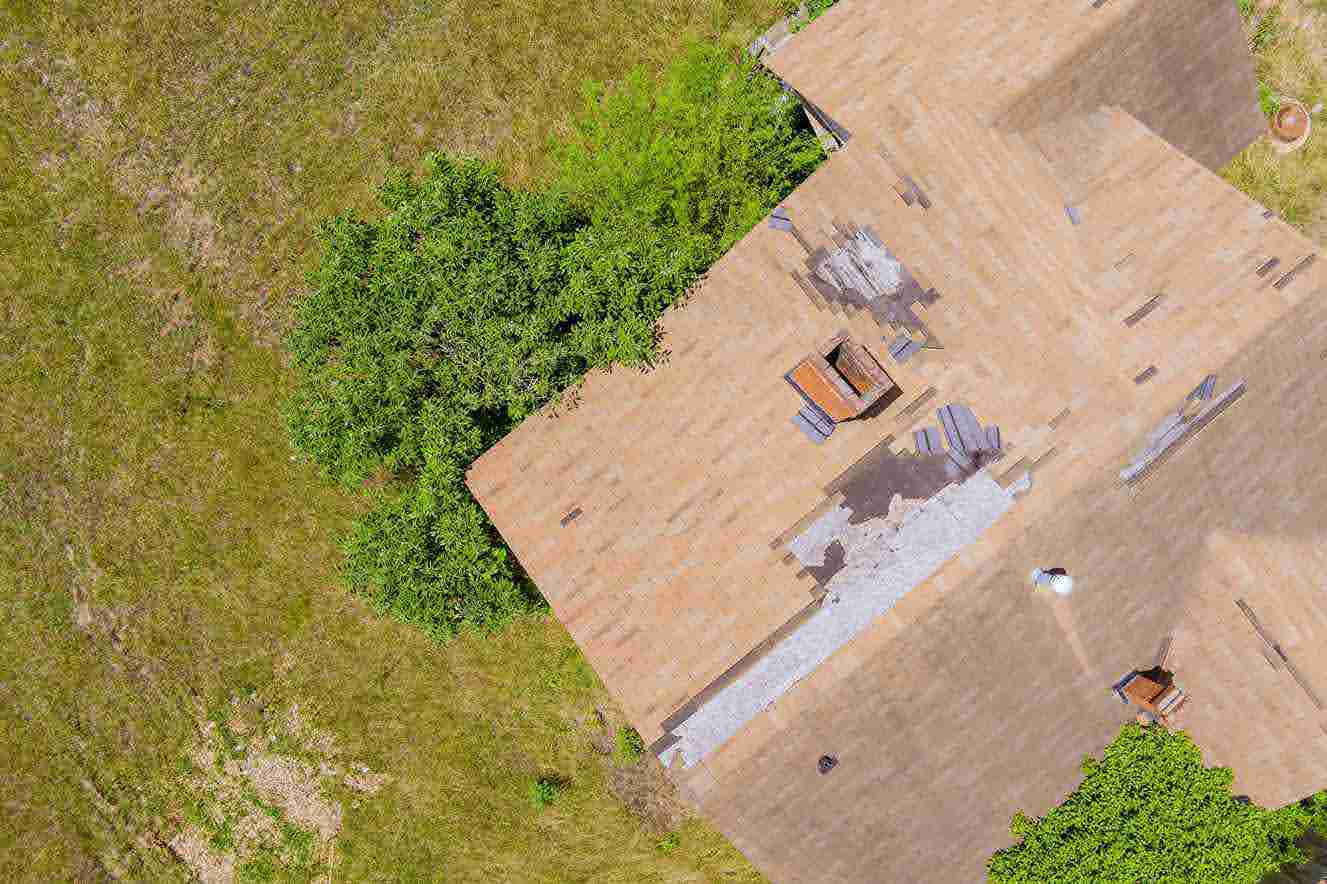
Florida homeowners often convince themselves that their aging roof can survive one more hurricane season. The shingles look acceptable from street level. No active leaks disrupt daily life.
Delays usually happen because homeowners don’t fully understand how timing, insurance, inspections, and long-term planning intersect in broader Florida roof replacement decisions.
Why spend money on something that appears functional?
This logic collapses when consequences arrive. The gap between when a roof should be replaced and when it must be replaced creates problems that compound rapidly. What starts as budget consciousness transforms into financial chaos affecting insurance, resale value, and emergency repairs.
Insurance Coverage Complications From Delayed Roof Replacement
Insurance carriers evaluate risk using actuarial data, and those numbers show aging Florida roofs represent increasing liability each year.
When roofs hit certain age thresholds, underwriters start demanding inspections. Coverage renewals that arrived automatically now include conditions. Many carriers refuse new policies on older roofs regardless of maintenance quality.
Switching carriers becomes nearly impossible. Companies decline to quote. Those willing to offer coverage charge premiums that make current rates look reasonable. Homeowners delaying replacement get trapped with whatever carrier accepts the risk at whatever price they demand.
Coverage terms degrade as roofs age. Full replacement cost gets downgraded to actual cash value with depreciation factored in. When storm damage occurs, claim payouts cover a fraction of actual repair needs. The gap comes from homeowner savings.
Key insurance impacts from roof delays:
- Forced policy non-renewals with compressed replacement timelines
- Loss of replacement cost coverage switching to depreciated value
- Premium increases from limited carrier options
- Coverage gaps during contractor availability shortages
Some carriers drop coverage entirely when roofs reach age limits. Renewal notices arrive requiring replacement within narrow windows. Homeowners face compressed schedules during peak hurricane season when contractors handle storm damage and material costs spike.
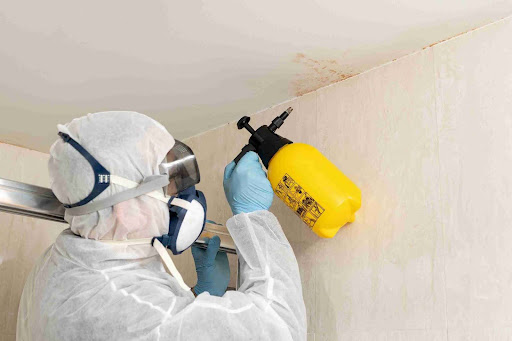
Interior Damage From Aging Florida Roofs