Summary:
Roof repairs can make sense in Florida, but only when damage is isolated, the roof still has useful life remaining, and insurance requirements aren’t at risk. This guide explains which types of roof problems can be repaired, how Florida’s climate shortens repair longevity, and why repeated repairs often signal that full replacement is near. Homeowners learn how roof age, damage percentage, insurance scrutiny, and future plans determine whether repairs save money or delay inevitable replacement. Central Florida homeowners can rely on Guardian Home for inspection-driven guidance that prioritizes durability, coverage protection, and long-term value.
The roofer climbs down the ladder with news no homeowner wants to hear: the roof needs work. But the real question keeps homeowners up at night; do those damaged shingles need a simple repair, or is it time to replace everything?
In Florida, where roofs face relentless sun, storms, and humidity, this question gets asked thousands of times every year. The answer determines whether a homeowner spends hundreds or thousands of dollars. Making the wrong call means either wasting money on repairs that won’t last or replacing a roof that has years remaining.
The roofing industry doesn’t make this easier. Some contractors push full replacements when repairs would work fine. Others patch problems that need complete attention. Homeowners get caught in the middle, trying to figure out who’s telling the truth.
Deciding whether repairs are enough or full replacement makes sense is just one part of the broader Florida roof replacement decision process homeowners face when balancing age, condition, insurance, and long-term plans.
Why Not All Roof Damage Requires Full Replacement
Roof damage exists on a spectrum. Minor issues can get fixed in an afternoon. Severe deterioration means repairs become throwing good money after bad. Most damage falls somewhere between, where the right decision depends on the roof’s age, condition, and how the damage occurred.
When storms tear through Central Florida and lift a dozen shingles, but the rest of the roof shows no wear beyond those wind-damaged areas, targeted repairs make sense. The damaged section gets new shingles, and homeowners move on. Full replacement when simple repairs would work makes no financial sense.
The calculation changes when damage reveals deeper issues. Those lifted shingles become symptoms of a roof failing across the board: curling throughout, granule loss exposing underlayment, and soft spots in the decking. Repairs might temporarily patch obvious damage, but the rest keeps deteriorating.
Age matters more than most homeowners realize:
- Five-year-old roof with localized damage? Repair without hesitation
- Twenty-year-old roof with the same damage? Time to consider full replacement
- Repair costs get weighed against the remaining useful life
Location affects longevity. Coastal properties face more aggressive weather than inland homes. A repair lasting eight years in Lakeland could fail in three years in St. Petersburg because salt air and higher winds stress everything faster.
The Types of Roof Problems Repairs Can Actually Solve
Not every roofing problem needs dramatic intervention. Some issues respond to targeted fixes that add years to a roof’s lifespan.
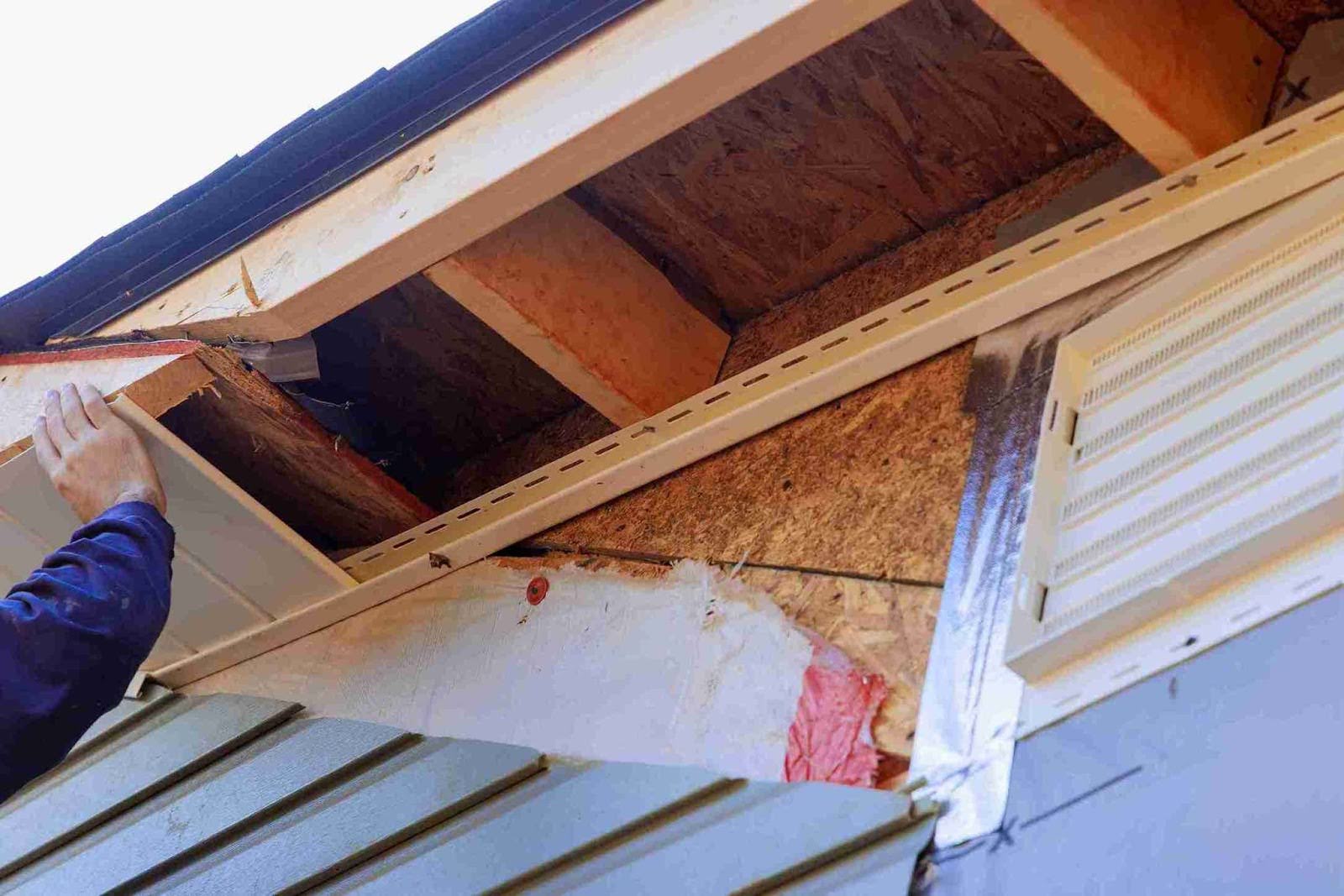
Storm damage repairs work when the underlayment stays intact, and the surrounding areas show no damage. Missing or damaged shingles get replaced without touching the rest of the roof. Contractors can often match existing shingle color and style well enough that nobody spots the repair.
Flashing failures around chimneys, skylights, and roof penetrations cause more leaks than any other single issue in Florida. Replacing damaged flashing rarely requires touching actual roofing material. A skilled contractor removes old flashing, installs new metal properly sealed, and solves leaking problems for years.
Valley damage presents another repair-friendly scenario. Valleys where two roof planes meet handle enormous water flow during Florida’s frequent downpours. When valley flashing corrodes or shingles along the valley fail, water intrusion happens fast. Repairing the valley stops leaks without disturbing the rest of the roof.
Isolated soft spots in the roof decking can be addressed without tearing off the entire roof. If moisture infiltrated the decking in one area due to a previous leak that got fixed, replacing just the damaged plywood or OSB solves the structural problem.
How Florida Climate Limits the Lifespan of Repairs