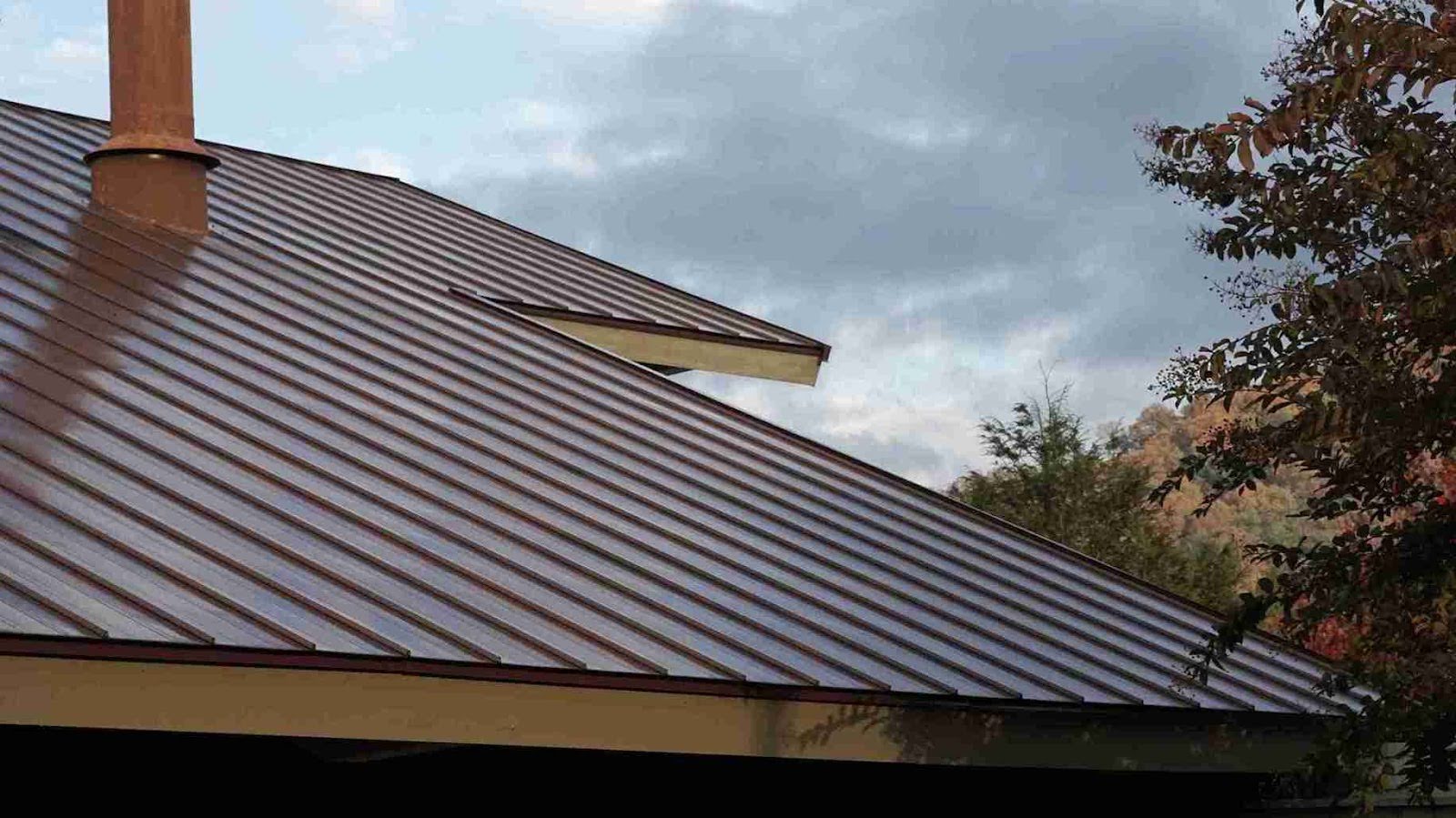
Summary:
Choosing the right roof in Florida goes beyond appearance. This guide explains how metal roofing improves daily comfort, boosts energy efficiency, and delivers superior hurricane protection. Learn why hurricane-rated metal roofs outperform shingles, reduce long-term costs, and provide lasting peace of mind for homeowners in coastal and high-wind areas.
Choosing the right roof in Florida goes beyond appearance. It’s about staying comfortable during long, hot summers and protecting your home when hurricane season hits. This guide breaks down the real metal roof benefits for Florida hurricane protection, explaining how modern systems reduce noise, reflect heat, and outperform traditional materials in severe weather. For homeowners considering a metal roof replacement in Florida, understanding how hurricane-rated metal roofing improves daily comfort, energy efficiency, and storm resilience makes it easier to invest with confidence—especially in coastal and high-wind regions.
More Than a Roof—A Daily Upgrade
Homeowners once chose roofing materials based purely on cost and availability. That approach made sense when roofs were just protective barriers against rain. But families living in Florida’s climate have different priorities now. They want comfort during the eight-month summers. They need protection when hurricane warnings light up their phones. They deserve peace of mind instead of constant maintenance headaches.
Metal roofing addresses all these concerns simultaneously, which explains why more Central Florida property owners are making the switch. The old assumptions about metal roofs being noisy, hot, or industrial-looking no longer hold. Modern metal roofing systems deliver quieter interiors, cooler rooms, and stronger storm protection than traditional asphalt shingles.
The difference shows up in daily life:
- Lower electric bills arrive every month
- Storm season doesn’t trigger the same anxiety
- The constant cycle of repairs and replacements finally stops
These aren’t minor conveniences. They’re quality-of-life improvements that compound over the years of homeownership.
How Metal Roofing Creates a Quieter Home

The Truth About Rain Noise on Metal Roofs
The biggest myth about metal roofs centers on noise during rainstorms. People imagine tin barns drumming loudly with every raindrop. That mental image doesn’t reflect what happens with properly installed residential metal roofing systems.
Modern installations include solid roof decking, quality underlayment materials, and adequate attic insulation. These layers work together to dampen sound transmission just like they do on shingle roofs. When contractors install metal panels over these proper substrates, rain noise levels match or fall below those produced by asphalt shingles.
Homeowners who switched from shingles to metal roofing consistently report being surprised by how quiet their new roofs are. Rain sounds softer and less intrusive than expected. The drumming noise they worried about never materialized.
Reduced Outside Noise Overall
Metal roofs block more than just rain sounds. Wind noise is lower than with traditional shingles because metal panels don’t flutter or vibrate as flexible asphalt materials do. Traffic noise from nearby roads is better dampened. Even the noise from neighboring properties becomes less noticeable inside the home.
Metal roofing panels interlock tightly and fasten securely to the roof structure. This rigid attachment prevents the vibration and movement that transmits sound waves into living spaces. Shingles can flex and move slightly in the wind, creating pathways for noise transmission. Metal panels eliminate that movement almost entirely.
Families living near busy roads or under flight paths notice the difference most dramatically. The constant background noise they accepted as normal has diminished since the metal roof installation.
Staying Cooler in Florida Heat With a Metal Roof
Reflective Surfaces and Solar Heat Rejection
Dark asphalt shingles absorb solar radiation and convert it into heat that transfers into attic spaces. Metal roofs work differently. Their reflective surfaces bounce solar radiation back into the atmosphere instead of absorbing it into the home.
The color and finish of metal roofing determine exactly how much heat gets reflected:
- Light colored metal panels with special cool roof coatings can reject up to 70% of solar heat
- Even darker metal finishes outperform asphalt shingles at reflecting heat
- The metal material itself conducts and releases heat faster than petroleum-based products
This reflective property matters more in Florida than almost anywhere else. The intense summer sun beats down on roofs for hours each day. Each percentage point of reflected heat reduces the load on air conditioning systems and lowers indoor temperatures.
Lower Attic Temperatures and AC Demand
Attic temperature differences between metal and shingle roofs can exceed 30 degrees on hot summer days. That massive temperature reduction changes how the entire home performs. Less heat radiating down from the attic means less heat transfer through ceilings into living spaces below.
Air conditioning systems don’t have to run as long or work as hard to maintain comfortable indoor temperatures. The compressor cycles less frequently. Ductwork in the attic doesn’t absorb as much heat before delivering cool air to rooms. These changes show up immediately on utility bills but also extend the lifespan of HVAC equipment by reducing wear and tear.
Energy Savings Over Time
Most Florida homeowners see 15 to 25 percent decreases in cooling costs during summer months. Those savings continue year after year for the entire lifespan of the roof.
Metal roofing works especially well when paired with proper attic insulation and modern solar installations. The reflective roof surface keeps solar panels cooler, which improves their electricity generation efficiency. Added insulation in the attic maximizes the benefit of reduced heat transfer.
Built for Hurricanes, Wind, and Heavy Rain

Wind Resistance and Uplift Ratings
Hurricane-force winds create uplift forces that try to tear roofing materials away from the structure. Asphalt shingles rely on adhesive strips and nails to resist these forces. Metal panels use mechanical interlocking systems and concealed fasteners that provide superior wind resistance.
Properly installed metal roofing systems regularly achieve wind ratings exceeding 140 mph. The panels interlock along their edges, distributing wind loads across the entire roof surface instead of concentrating forces at individual attachment points.
This engineering advantage shows up during actual storm events. While neighbors deal with missing shingles and damaged underlayment after hurricanes pass, homes with metal roofs typically escape with minimal damage.
Water Shedding and Leak Prevention
Metal roofing panels feature smooth surfaces that shed water quickly, preventing pooling or penetration. The panel design includes raised ribs and interlocking seams that create natural drainage channels.
Key water resistance features include:
- Fewer seams and penetration points mean fewer potential leak locations
- Standing seam metal roofs use concealed fasteners that never penetrate the visible metal surface
- All attachment points happen at the panel edges, where overlapping metal provides multiple barriers
Water resistance is especially valuable during sustained rain events. Tropical systems can sit over the state for days, testing roofs with continuous rainfall and occasional wind gusts.
Fire and Impact Resistance
Flying debris during hurricanes poses serious risks to traditional roofing materials. Tree branches, roof tiles from neighboring homes, and other projectiles can puncture or tear asphalt shingles. Metal roofing withstands impacts better due to its inherent strength and flexibility. The material dents rather than tears when struck by debris.
Non-combustible properties add another layer of protection during storm-related fires. Downed power lines, lightning strikes, and embers from nearby fires can ignite traditional roofing materials. Metal roofs won’t catch fire or contribute to fire spread.
Peace of Mind During Storm Season
Fewer Emergency Repairs After Severe Weather
The days following a hurricane bring stress that goes beyond property damage. Homeowners scramble to find contractors for emergency repairs. Blue tarps appear on roofs throughout neighborhoods. Water damage spreads inside homes while families wait for permanent fixes. Metal roofs eliminate most of this post-storm chaos.
When neighbors are calling roofers and filing insurance claims, homeowners with metal roofs typically just clean up yard debris and move on with their lives. The roof performed exactly as designed. No shingles blew off. No leaks developed. No emergency tarping became necessary.
Storm season anxiety diminishes dramatically with metal roofing. The constant checking of weather forecasts and wondering if the roof will survive another season becomes a thing of the past. Guardian Home helps Central Florida families make this transition by handling complete metal roof installations with expertise in local building codes and hurricane-rated systems.
Insurance and Resale Advantages
Insurance companies analyze risk based on statistical data about property losses. Their records show metal roofs sustain less damage during storms and require fewer claims than asphalt shingle roofs. Some carriers offer premium discounts for homes with qualifying metal roofing systems.
Beyond insurance savings, metal roofing increases property values and buyer confidence during home sales. Prospective buyers recognize they won’t face roof replacement costs for decades. The durability and storm protection become selling points that justify higher asking prices and attract serious buyers.
Long-Term Lifestyle Benefits Beyond Protection
Longevity That Reduces Stress
Asphalt shingle roofs in Florida can last 15 to 20 years before replacement becomes necessary. Homeowners face roof replacement decisions multiple times during their property ownership. Metal roofing fundamentally changes this cycle.
Quality metal roofing systems last 40 to 70 years, depending on material thickness and coastal exposure. Many homeowners will never replace their metal roof during their lifetime. The property might get sold to new owners who inherit decades of remaining roof life.
Low Maintenance Living
Traditional roofs demand ongoing attention and maintenance. Homeowners climb ladders to clear debris from valleys. They inspect for damaged shingles after storms. They watch for signs of algae growth or granule loss. Metal roofing eliminates most of these tasks.
The material resists rot because it contains no organic components for moisture to attack. Mold and mildew can’t grow on metal surfaces the way they spread across asphalt shingles. Termites and other pests have no interest in metal panels.
Annual maintenance for metal roofs consists mainly of:
- Keeping drainage systems clear
- Occasionally checking fasteners after severe storms
- No shingle replacements or algae treatments needed
Modern Curb Appeal
Metal roofing has evolved far beyond the corrugated agricultural panels people remember from barns. Modern residential metal roofing includes standing seam profiles, architectural panel designs, and finishes that complement any home style.
Coastal architecture particularly suits metal roofing aesthetics. The clean lines of standing seam panels enhance modern beach home designs. Traditional homes benefit from metal shingle or tile profiles that provide storm protection without sacrificing classic appearance.
Is a Metal Roof Worth It for Your Home?
Homes That Benefit Most
Geographic location plays the biggest role in metal roofing value calculations:
- Coastal properties exposed to hurricane risks benefit from wind resistance and water-shedding capabilities
- Homes in evacuation zones where storm damage carries a higher probability
- Properties with poor insulation or western sun exposure benefit from reflective metal roofing
- Families are spending significant amounts monthly on air conditioning during the summer months
Long-term ownership plans matter more than anything else. Homeowners planning to stay in their property for decades get full value from metal roofing’s longevity and cumulative energy savings.
Cost vs Value Perspective
The calculation changes significantly when replacement cycles and maintenance costs are factored in. Homeowners who replace asphalt shingles multiple times over several decades spend roughly as much as for a single metal roof installation. When you factor in energy savings, reduced insurance costs, and lower maintenance expenses, metal roofing delivers better financial returns over typical homeownership timelines.
Quality of life improvements deserve weight in these decisions, too. The peace of mind during storm season, quieter interior spaces, cooler rooms, and freedom from constant roof maintenance carry value that spreadsheets can’t capture.
What to Expect During a Metal Roof Replacement
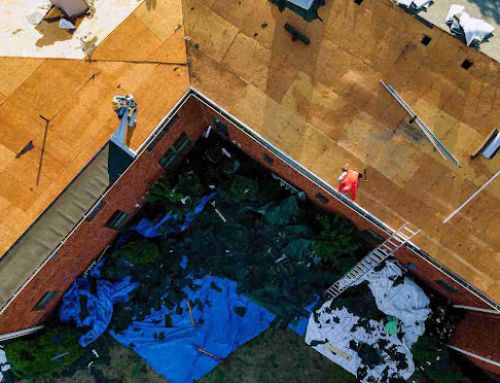
Professional metal roof installations begin with removing existing shingles down to the decking. Contractors inspect and repair any damaged decking before installing new underlayment. Metal panels get cut to precise lengths and secured according to manufacturer specifications and local building codes.
Noise and disruption happen mainly during the tear-off phase when old shingles get removed. The metal panel installation itself produces less noise than expected because most fastening happens with electric tools rather than hammers. Homeowners can usually remain in the home during installation.
Permits and inspections protect homeowners by ensuring code compliance. Local building departments review installation plans before work begins. Inspectors verify proper attachment methods and material ratings during and after installation.
A Roof That Improves How You Live
Metal roofing delivers benefits that extend far beyond basic weather protection. Quieter interiors create more peaceful living spaces. Cooler rooms during brutal summer months reduce electric bills and improve comfort. Stronger storm protection eliminates the anxiety that builds every time hurricane forecasts appear.
These improvements compound over the years of ownership. Storm seasons pass without the stress of wondering if the roof will survive. Decades stretch ahead without facing another replacement project. The lifestyle upgrade becomes more valuable with each passing year.
Frequently Asked Questions
Does a metal roof stay cooler than shingles in hot weather?
Yes. Metal roofs reflect solar radiation instead of absorbing it like asphalt shingles. Light colored metal panels with cool roof coatings can reject up to 70% of solar heat. This keeps attic temperatures significantly lower, reduces air conditioning demand, and creates more comfortable indoor spaces during summer months.
Will I hear loud rain noise with a metal roof?
No. Properly installed metal roofs with solid decking, quality underlayment, and adequate attic insulation produce rain noise levels equal to or quieter than those of asphalt shingles. The drumming sound people worry about only occurs with metal roofs installed over open framing without proper sound-dampening materials.
Can metal roofs survive direct hits from hurricanes?
Metal roofing systems regularly achieve wind ratings exceeding 140 miles per hour when properly installed. The interlocking panels and concealed fastening systems distribute wind loads across the entire roof surface, making them significantly more resistant to hurricane damage than traditional shingles. Many metal roofs survive category 3 and 4 storms with minimal damage.
How long does a metal roof actually last in coastal Florida?
Quality metal roofing systems last 40 to 70 years, depending on material thickness, coating quality, and exposure to salt air. Even in harsh coastal environments, metal roofs outlast asphalt shingles by two to three times. Many homeowners will never need another roof replacement during their lifetime.
Will a metal roof lower my homeowners’ insurance premiums?
Many insurance carriers offer premium discounts for homes with qualifying metal roofing systems because the roofs sustain less damage during storms and require fewer claims. Discount amounts vary by insurance company and location, but metal roofing’s superior wind resistance and fire rating make it favorable for insurance risk calculations.
Ready to protect your home with a metal roof built for hurricanes?
Guardian Home specializes in hurricane-rated metal roof installations backed by proper permits and expert craftsmanship. Schedule your free consultation today. Call (727) 761-6778 or visit guardianhome.us to learn how metal roofing can improve your home’s comfort, efficiency, and storm protection.