Summary:
Roof replacement decisions in Florida are shaped by insurance rules, extreme weather, and contractor practices that don’t apply in other states. This guide explains how Florida’s sun, humidity, and storms shorten roof lifespans, why insurance approvals get complicated, and what actually drives replacement costs. Homeowners learn how to choose truly local, inspection-driven contractors and avoid common mistakes with pricing, timing, and insurance claims. Central Florida homeowners can turn to Guardian Home for clear, inspection-based guidance focused on compliance, durability, and long-term protection.
When an insurance adjuster requests roof documentation, most homeowners feel the same uncertainty. Something needs to be done, but what exactly, and how much, isn’t clear. Replace the entire roof? Make repairs and hope it’s enough? Every contractor seems to recommend something different, and the advice online rarely reflects how things actually work in Florida.
That confusion isn’t accidental. Contractors are focused on selling projects. Insurance companies are focused on minimizing payouts. Homeowners are left in the middle, trying to decide what protects their home, keeps their insurance, and avoids costly regrets.
This guide breaks down the roof-replacement decisions that matter for Florida homes, what deserves careful attention, what’s often overstated, and how to think through each choice before committing to a replacement.
Why Roof Replacement Is a Bigger Decision Than Most Homeowners Expect
Replacing a roof isn’t like swapping out a water heater. The roof is visible, affects insurance coverage, and represents one of the largest expenses homeowners face.
The pressure builds from multiple angles:
• Insurance carriers send letters about age requirements
• Contractors leave door hangers after storms
• Real estate agents discuss the condition when selling comes up
Florida’s weather makes everything happen faster. UV radiation, humidity, salt air, and frequent storms beat up materials relentlessly. A roof lasting decades up north might fail much sooner here.
Contractor incentives complicate decisions. Storm chasers appear after hurricanes, promising free inspections and insurance handling. Some are legitimate. Many aren’t. Even good contractors have sales targets, which can push them toward replacement recommendations regardless of what makes sense.
Long-term plans matter too. Someone staying put for years makes different calculations than someone selling soon.
How Florida’s Climate Changes Roof Replacement Decisions
Florida’s climate not only accelerates roof damage. It changes the entire decision framework around when to replace and what materials to choose.
UV exposure in Florida ranks among the most intense in the country. The sun breaks down chemical bonds in roofing materials. Asphalt shingles lose protective granules. Sealants dry and crack. Colors fade.
Humidity creates problems, UV doesn’t. Moisture can work under shingles, into the underlayment, and eventually into the decking. Algae and mold grow on roofs in damp conditions, especially on north-facing slopes. These organisms retain moisture within materials and accelerate decay.
Storms test every weak point. Lifted shingles, inadequate flashing, and aging materials become failure points when wind speeds climb. Even roofs surviving storms without obvious damage take stress from wind flexing, temperature changes, and driving rain.
National advice falls apart in Florida. Articles written for colder climates assume longer lifespans that don’t hold true here.
Hurricane season runs from June through November. Scheduling replacement for March, April, or May means the new roof is ready before dangerous weather arrives. It also means avoiding the post storm contractor shortage when prices climb, and quality crews book solid.
How to Choose a Roof Replacement Company

Searching for “roof replacement companies near me” pulls up dozens of results. Every contractor claims five stars and promises quality work. How do homeowners tell who’s worth calling?
Reviews alone are not enough. Companies can game the system, and there’s no way to verify whether complaints are legitimate or unreasonable. Understanding what sets quality contractors apart requires looking beyond star ratings.
Sales-driven versus inspection-driven companies operate differently. Sales outfits send people trained to close deals who focus on benefits and urgency. Inspection-driven companies send actual roofers who focus on what the roof needs and why. One wants a signature today. The other wants an informed decision.
What actually matters when choosing a contractor:
• Valid Florida roofing license (check the state website)
• Workers’ compensation and liability insurance
• Manufacturer certifications from GAF, CertainTeed, or Owens Corning
• Detailed written proposals specifying materials, methods, and warranties
• Physical local address and established community presence
Guardian Home maintains manufacturer relationships that provide access to better warranties and technical support for homeowners. The detailed proposal shows that thought went into the project and protects everyone involved.
How to Tell Who’s Actually Local
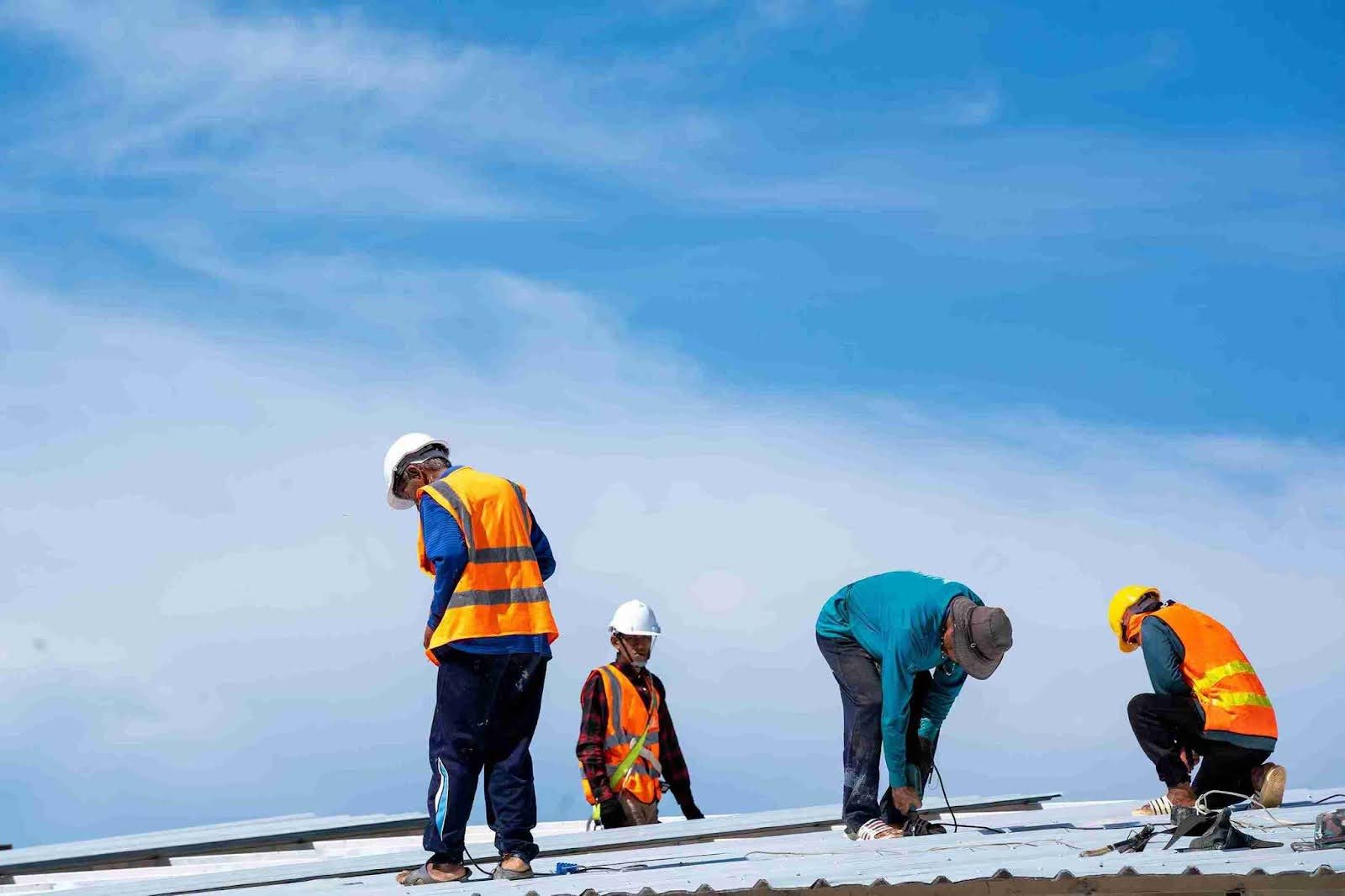
Storm chasers flood Florida after hurricanes, work a few months, and disappear. Homeowners discover problems after the crew leaves with no way to get callbacks or warranty work.
How can homeowners determine who’s actually local? True local contractors have physical addresses, established reputations, and stakes in the community. They can’t disappear after bad work because they live here. Their reputation depends on referrals from neighbors.
Watch for SEO spam and fake locations. Companies create location pages claiming to serve every city in a region while based far away. Check the physical address, look for local reviews, and ask about their actual service area.
Local experience helps with insurance claims. Contractors who regularly work in an area understand local carriers, how adjusters evaluate damage, and what documentation gets required. They know building codes, permit requirements, and inspection processes. Out of town contractors learning on the fly make mistakes that delay projects.
Why Roof Replacement Costs Vary So Much: What Actually Drives the Price
Two contractors can quote the same roof with significant differences. Understanding what drives those price variations helps homeowners evaluate quotes properly.
What creates price differences:
• Scope assumptions (deck repairs included versus charged separately)
• Code upgrade requirements (bringing older homes to current standards)
• Tear off complexity (simple gable versus complex hip with multiple layers)
• Labor quality (experienced certified crews versus day laborers)
• Insurance versus retail pricing approaches
One contractor might include upgraded underlayment as standard, while another treats it as optional. Older homes need more work to meet current codes, adding expense that wasn’t part of the original construction. The tear-off alone can represent different percentages of the total cost depending on roof complexity.
Experienced crews cost more but deliver quality that shows up during installation and over the roof’s lifetime. Properly installed roofs last longer and handle storms better.
How Much Roof Replacement Really Costs Depends on Your Situation
The cost of roof replacement varies depending on the home’s condition and layout. Scenario-based thinking helps more than generic averages. A small single-story home with a simple gable roof faces one scenario. A large two-story home with multiple roof planes and old tile faces another entirely.
Insurance changes everything. Homeowners whose roof sustained insured damage get claim money to offset rethe placement cost. They pay the deductible plus any upgrades not covered. Those whose insurance denied the claim or who need replacement due to age pay everything out of pocket.
Future plans matter. Homeowners staying long term benefit from investing in premium materials and longer warranties. They’ll see lower insurance premiums and avoid future replacement costs. Those selling soon might choose materials that satisfy insurance and appeal to buyers without overspending on features they won’t use.
Roof Replacement With Insurance: Where Most Homeowners Get Stuck
Insurance involvement creates more confusion than any other aspect of roof replacement. Policies promise coverage, but claims get partially approved, denied for technicalities, or paid at values lower than expected.
Common roof replacement insurance complications:
• Partial approvals for only certain roof sections (new shingles won’t match old ones)
• Matching issues with discontinued products
• Depreciation reducing actual payout on older roofs
• Gaps between contractor damage assessment and adjuster findings
• Recoverable depreciation requiring upfront payment before final reimbursement
Partial roof replacements rarely work well. New materials don’t match old ones in color or condition. Warranties often don’t apply. Homeowners end up completing the full replacement anyway.
Depreciation confuses homeowners who don’t understand policy details. Replacement cost policies pay to replace with new materials. Actual cash value policies deduct depreciation first. An older roof might have depreciated significantly in the insurance company’s calculation.
Contractors and adjusters often disagree on the extent of the damage. The contractor works for the homeowner and sees more damage. The adjuster works for the insurance company and leans conservative. Neither is necessarily wrong, but different incentives lead to different conclusions.
What Happens After the Roof Is Replaced
The work doesn’t end when the crew pulls away. Several steps remain that contractors should handle, but don’t always complete properly.
Final inspections by the building department verify code compliance. The contractor should schedule this, meet the inspector, address concerns, and obtain approval. Homeowners should confirm that the permit closed properly. Open permits create problems at the sale time.
Insurance documentation matters for premiums and future claims. Notify the carrier about the completed replacement and provide the invoice, warranties, and permit completion. This supports premium reductions and proves the work happened.
Warranty registration activates extended protection. Many manufacturers require registration within a specific timeframe. Contractors sometimes handle this, but homeowners should verify it happened. Unregistered warranties might revert to shorter standard terms.
Premium reductions often require homeowner action. Carriers don’t automatically reduce rates when roofs are replaced. Contact the agent, provide documentation, and request appropriate discounts.
Frequently Asked Questions
Should I replace my roof before insurance forces me to?
Proactive replacement before insurance cancellation notices arrive offers several advantages. Homeowners who plan ahead choose contractors carefully instead of scrambling. They schedule work during slower seasons when contractors have availability and may offer better pricing. They avoid the stress of simultaneously dealing with insurance threats and contractor selection. However, replacing a roof that still has years of remaining life might not make financial sense unless insurance clearly communicates that coverage will be lost soon. The decision depends on roof age, condition, and insurance carrier requirements.
Does a new roof actually lower insurance premiums?
New roofs typically qualify for premium reductions, though the amount varies by carrier and location. Impact-resistant shingles or metal roofs often earn larger discounts than standard asphalt shingles. Some carriers reduce premiums automatically when they learn about roof replacement, others require homeowners to request the discount, and a few don’t offer meaningful discounts for new roofs at all. Homeowners should check with their agent about specific discount amounts before counting on premium savings to justify replacement costs. The savings might be significant, or they might be minimal, depending on the carrier’s current underwriting approach.
Can timing my roof replacement affect insurance approval or pricing?
Timing does influence insurance situations in several ways. Replacing a roof immediately before policy renewal gives homeowners maximum leverage when shopping for coverage since all carriers see the new roof during underwriting. Replacing during hurricane season might create coverage gaps if the old roof comes off and a storm approaches before the new roof is complete. Replacing during insurance claim investigation can complicate the claim since adjusters might question whether damage existed before the storm or resulted from contractor work. Ideal timing happens several months before policy renewal and outside of peak storm season.
How long should I wait between getting quotes?
Roofing quotes stay valid for limited timeframes, typically 30 to 90 days. Material costs fluctuate, contractor availability changes, and damage can progress on aging roofs. Homeowners who collect quotes over a period of months might find their early quotes are no longer accurate by the time they’re ready to decide. The most efficient approach involves contacting three to five contractors within the same week or two, scheduling all estimates in a short timeframe, and making a decision within a month. This keeps all information current and prevents delays that might let problems worsen.
Ready to Make Informed Decisions About Your Roof?
Guardian Home helps Central Florida homeowners make clear, informed decisions about roof replacement. Whether facing insurance requirements or planning ahead, the conversation starts with understanding the actual roof condition and what makes sense for your situation.
Call (727) 761-6778to schedule a professional inspection and consultation.