Summary:
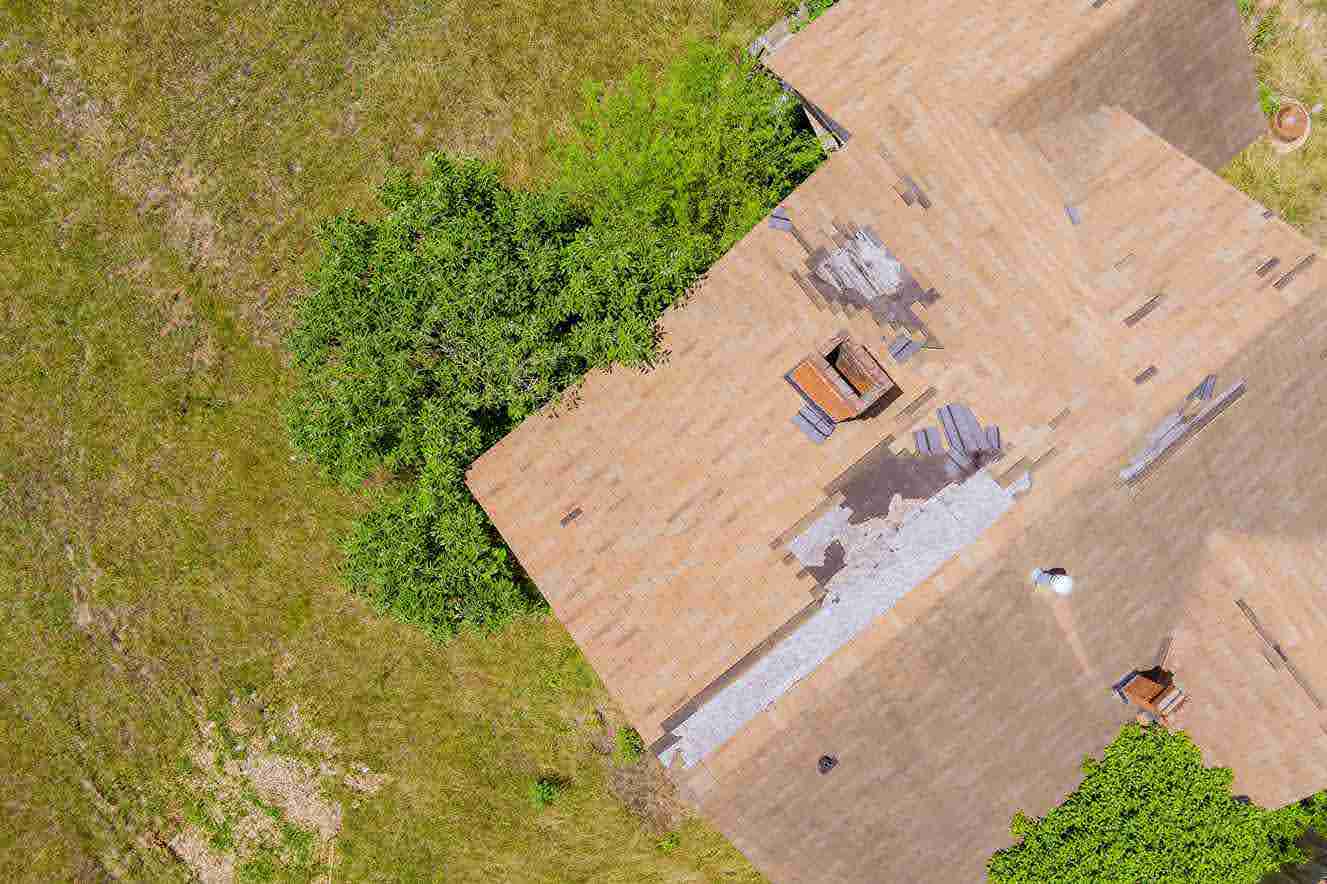
Delaying roof replacement in Florida often leads to insurance non-renewals, higher premiums, interior water damage, and forced emergency projects during hurricane season. This guide explains how aging roofs trigger coverage downgrades, inflate replacement costs through compounding damage, and reduce home value during resale or financing. Homeowners learn why proactive inspections and off-season planning prevent rushed decisions, limited contractor options, and premium pricing. Central Florida homeowners can rely on Guardian Home for proactive guidance that protects insurance eligibility, property value, and long-term costs.
Florida homeowners often convince themselves that their aging roof can survive one more hurricane season. The shingles look acceptable from street level. No active leaks disrupt daily life.
Delays usually happen because homeowners don’t fully understand how timing, insurance, inspections, and long-term planning intersect in broader Florida roof replacement decisions.
Why spend money on something that appears functional?
This logic collapses when consequences arrive. The gap between when a roof should be replaced and when it must be replaced creates problems that compound rapidly. What starts as budget consciousness transforms into financial chaos affecting insurance, resale value, and emergency repairs.
Insurance Coverage Complications From Delayed Roof Replacement
Insurance carriers evaluate risk using actuarial data, and those numbers show aging Florida roofs represent increasing liability each year.
When roofs hit certain age thresholds, underwriters start demanding inspections. Coverage renewals that arrived automatically now include conditions. Many carriers refuse new policies on older roofs regardless of maintenance quality.
Switching carriers becomes nearly impossible. Companies decline to quote. Those willing to offer coverage charge premiums that make current rates look reasonable. Homeowners delaying replacement get trapped with whatever carrier accepts the risk at whatever price they demand.
Coverage terms degrade as roofs age. Full replacement cost gets downgraded to actual cash value with depreciation factored in. When storm damage occurs, claim payouts cover a fraction of actual repair needs. The gap comes from homeowner savings.
Key insurance impacts from roof delays:
- Forced policy non-renewals with compressed replacement timelines
- Loss of replacement cost coverage switching to depreciated value
- Premium increases from limited carrier options
- Coverage gaps during contractor availability shortages
Some carriers drop coverage entirely when roofs reach age limits. Renewal notices arrive requiring replacement within narrow windows. Homeowners face compressed schedules during peak hurricane season when contractors handle storm damage and material costs spike.
Interior Damage From Aging Florida Roofs
Water infiltration doesn’t announce itself. It seeps through deteriorated shingles, penetrates compromised flashing, and enters homes through invisible pathways. Ceiling stains appear only after significant hidden damage accumulates.
Attic insulation absorbs moisture, losing effectiveness and creating mold conditions. Roof decking develops rot from moisture exposure. Trusses and rafters deteriorate where water pools during storms. This happens silently while homeowners assume their roof functions because interior spaces stay dry.
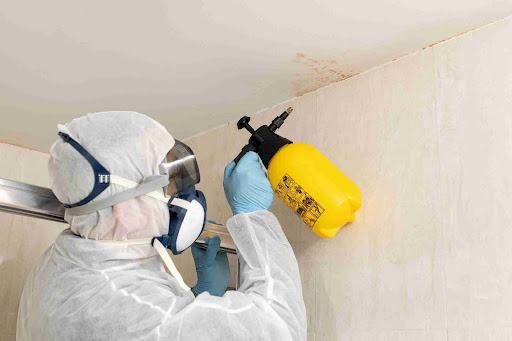
Mold remediation requires professional intervention with containment barriers, air filtration equipment, and complete material removal. Many insurance policies exclude mold damage, leaving homeowners funding entire cleanups personally.
Moisture reaches electrical systems. Water tracking along decking contacts junction boxes and wiring, creating safety hazards requiring electrician intervention before homes remain safe. Corroded connections spark. Wet wiring insulation degrades.
Damage spreads from initial leak points. Water follows rafters and trusses, appearing in rooms distant from actual roof failures. Drywall bubbles. Paint peels. Hardwood floors warp. Crown molding separates from moisture damaged ceilings.
Central Florida humidity accelerates water damage. Small leaks causing minor problems elsewhere create catastrophic damage in Tampa Bay within months. Constant atmospheric moisture prevents materials from drying between rain events. Mold establishes rapidly. Wood rot progresses aggressively.
Compounding Replacement Costs From Delays
Roofing materials increase in price over time. Skilled labor costs trend upward annually. Postponing replacement hoping for better prices means watching project costs climb steadily.
Compounding damage multiplies expenses. Roofs that could have been replaced years earlier now require the roofing work plus water damaged ceiling repairs, mold remediation, and new attic insulation. Total bills significantly exceed original replacement costs.
Structural repairs escalate when decking deteriorates. Contractors bid jobs assuming sound decking. Discovering rotted plywood or OSB generates change orders. Replacing damaged decking adds substantial costs beyond base roofing prices.
Hurricane season creates pricing volatility. Contractors charge premium rates after storms when demand explodes and materials become scarce. Homeowners who could have scheduled replacement during slow seasons now compete with hundreds needing emergency repairs. Contractors prioritize highest paying jobs.
Financing becomes more expensive during emergencies. Shopping for optimal PACE financing terms requires time emergency situations eliminate. Interest rates may have risen since replacement should have occurred, increasing monthly payments.
Guardian Home helps Central Florida homeowners prevent compounding costs through proactive planning and flexible PACE financing, giving property owners control over timing, contractor selection, and budget management.
Limited Contractor Options During Emergency Replacements
Homeowners researching roof replacement during normal periods interview multiple contractors, check references, verify licenses, review past work, and negotiate terms. Multiple estimates allow price and quality comparison based on confidence and value.
Emergency timelines eliminate choice. The first contractor available gets hired regardless of reputation or price. Quality concerns yield to availability concerns.
Storm chasers flood Florida after major weather events, operating temporarily and disappearing after collecting payment. These operations promise quick repairs at attractive prices, then deliver substandard work using inferior materials. When problems surface months later, companies have vanished with homeowner money.
Legitimate contractors book solid for extended periods after hurricanes. Property owners who planned ahead and scheduled replacements before storm season secured calendar slots when contractors had availability. Those who waited face substantial backlogs.
Material availability constrains emergency projects. Suppliers exhaust popular shingle colors and styles when demand spikes. Homeowners settle for whatever materials contractors can source rather than preferred aesthetics.
Permit processing slows when building departments handle application surges after storms. Normal processing times extend significantly. Contractors ready to start work sit idle waiting for permit approval while damaged roofs continue leaking.
Home Value Impact From Delayed Roof Replacement
Real estate agents recognize aging roofs during listing preparations signal lower offers, inspection contingencies, buyer financing issues, and extended market time. Roofs needing replacement become primary negotiating points in every offer.
Home inspectors find problems buyers use for negotiation leverage. Inspectors noting roofs approaching end of life give buyers ammunition to demand price reductions or insist sellers replace before closing.
FHA and VA loans include strict property condition requirements. Lenders won’t approve financing on homes with roofs showing certain defects or exceeding age limits. Buyers using these programs can’t close until roof replacement occurs. Sellers either handle replacement or lose sales.
Homes with older roofs remain on market longer than comparable properties with newer roofs. Updated interiors get overlooked when buyers see roof age in disclosures. Additional weeks on market mean more mortgage payments, utility bills, and property tax installments.
Real estate consequences of roof delays:
- Extended time on market compared to homes with newer roofs
- Reduced appraisal values affecting sale prices and loan approvals
- Lost sales when buyer financing requires roof replacement
- Negotiated price reductions equivalent to replacement costs
Appraisers factor roof condition into valuations. Properties appraising lower with aging roofs affect sale prices and buyer loan approvals. When appraisals come in below purchase contracts, deals often collapse unless sellers reduce prices.
Cash buyers calculate replacement costs and deduct from offers. Sellers fund roof replacement through reduced sale prices rather than performing work.
Proactive Planning Prevents Forced Roof Decisions
Homeowners scheduling professional roof inspections every few years track condition and anticipate replacement needs. Forward planning creates opportunities emergencies eliminate.
Inspections reveal remaining roof life. Inspectors documenting deterioration provide clear timelines for budgeting and planning. Understanding timeframes allows homeowners to avoid insurance complications and shop contractors during off seasons.
Financial planning for replacement should start years before actual need. Regular savings create down payments making financing balances more manageable. Homeowners waiting until last minute must finance entire amounts, increasing monthly payments and interest costs.
Scheduling replacement during contractor slow periods reduces costs. Florida spring and early summer offer better pricing and availability than late summer through fall when hurricane season keeps contractors busy.
Material selection requires research time emergency replacements don’t provide. Learning about impact resistant shingles, metal roofing options, and insurance discounts allows informed choices about products protecting homes for decades.
PACE financing applications process smoothly without deadline pressure. Gathering documentation, reviewing terms, and comparing programs takes time. Starting applications months before replacement becomes necessary ensures funding readiness when projects begin.
Weather considerations affect installation quality and costs. Replacing roofs during Florida’s dry season means fewer delays and better installation conditions. Shingles seal properly at appropriate temperatures. Underlayment adheres correctly without moisture interference.
Permit applications during slower periods get processed faster. Building departments aren’t backlogged with emergency storm repairs during normal times. Inspections get scheduled promptly without administrative delays.
Frequently Asked Questions
How do delays affect total roof replacement expenses?
Delays generally add substantial percentages to total project costs when factoring material price increases, potential interior damage, higher contractor rates during emergency periods, and insurance premium increases for older roofs. Compounding damage from water infiltration, mold growth, and structural deterioration significantly exceeds original replacement costs.
Can roof inspectors predict when replacement becomes necessary?
Inspectors provide educated estimates based on current condition and typical deterioration rates for Florida roofs. They identify whether replacement is needed immediately or within certain timeframes. Getting inspections at earlier roof ages gives homeowners the most useful planning information before insurance complications arise.
What options exist when insurance requires replacement but budgets are tight?
PACE financing programs allow homeowners to finance roof replacements through property tax bills with reasonable interest rates and extended repayment terms. Some homeowners negotiate extended deadlines with insurance carriers by providing proof they’ve scheduled replacement and secured financing. Shopping alternative insurance carriers sometimes reveals options current companies didn’t offer.
Will partial roof repairs extend roof life if full replacement isn’t affordable yet?
Repairs might temporarily address specific problem areas but won’t reset age considerations for insurance purposes. Carriers still evaluate overall roof age when making coverage decisions. Some repairs signal to insurers that roofs are failing, potentially triggering closer scrutiny. Investing in repairs on roofs needing replacement typically wastes money better spent toward actual replacement.
How can homeowners detect interior damage before visible signs appear?
Professional roof inspections should include attic examination looking for moisture stains on decking, wet insulation, mold growth, and water tracks along rafters. Infrared cameras detect moisture inside walls and ceilings before visible damage appears. Many homeowners don’t realize damage exists until starting replacement projects when contractors discover hidden problems.
Protect Your Home From Roof Replacement Delays
Florida roofs deteriorate faster than roofs elsewhere. Problems compound, bills multiply, and emergencies force premium pricing. Homeowners planning proactively get better contractors, pricing, materials, and outcomes than those waiting until crisis mode hits.
Call Guardian Home today at (727) 761-6778 or reach out to us for your free roof inspection and replacement timeline assessment.