Summary:
Roof repairs can make sense in Florida, but only when damage is isolated, the roof still has useful life remaining, and insurance requirements aren’t at risk. This guide explains which types of roof problems can be repaired, how Florida’s climate shortens repair longevity, and why repeated repairs often signal that full replacement is near. Homeowners learn how roof age, damage percentage, insurance scrutiny, and future plans determine whether repairs save money or delay inevitable replacement. Central Florida homeowners can rely on Guardian Home for inspection-driven guidance that prioritizes durability, coverage protection, and long-term value.
The roofer climbs down the ladder with news no homeowner wants to hear: the roof needs work. But the real question keeps homeowners up at night; do those damaged shingles need a simple repair, or is it time to replace everything?
In Florida, where roofs face relentless sun, storms, and humidity, this question gets asked thousands of times every year. The answer determines whether a homeowner spends hundreds or thousands of dollars. Making the wrong call means either wasting money on repairs that won’t last or replacing a roof that has years remaining.
The roofing industry doesn’t make this easier. Some contractors push full replacements when repairs would work fine. Others patch problems that need complete attention. Homeowners get caught in the middle, trying to figure out who’s telling the truth.
Deciding whether repairs are enough or full replacement makes sense is just one part of the broader Florida roof replacement decision process homeowners face when balancing age, condition, insurance, and long-term plans.
Why Not All Roof Damage Requires Full Replacement
Roof damage exists on a spectrum. Minor issues can get fixed in an afternoon. Severe deterioration means repairs become throwing good money after bad. Most damage falls somewhere between, where the right decision depends on the roof’s age, condition, and how the damage occurred.
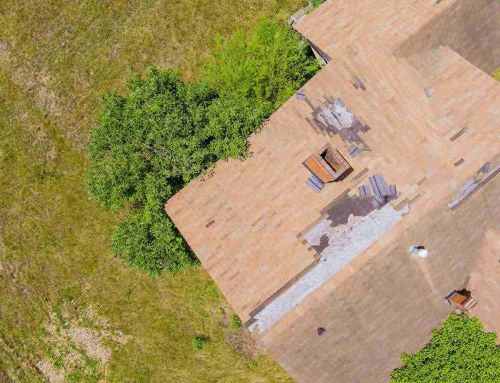
When storms tear through Central Florida and lift a dozen shingles, but the rest of the roof shows no wear beyond those wind-damaged areas, targeted repairs make sense. The damaged section gets new shingles, and homeowners move on. Full replacement when simple repairs would work makes no financial sense.
The calculation changes when damage reveals deeper issues. Those lifted shingles become symptoms of a roof failing across the board: curling throughout, granule loss exposing underlayment, and soft spots in the decking. Repairs might temporarily patch obvious damage, but the rest keeps deteriorating.
Age matters more than most homeowners realize:
- Five-year-old roof with localized damage? Repair without hesitation
- Twenty-year-old roof with the same damage? Time to consider full replacement
- Repair costs get weighed against the remaining useful life
Location affects longevity. Coastal properties face more aggressive weather than inland homes. A repair lasting eight years in Lakeland could fail in three years in St. Petersburg because salt air and higher winds stress everything faster.
The Types of Roof Problems Repairs Can Actually Solve
Not every roofing problem needs dramatic intervention. Some issues respond to targeted fixes that add years to a roof’s lifespan.
Storm damage repairs work when the underlayment stays intact, and the surrounding areas show no damage. Missing or damaged shingles get replaced without touching the rest of the roof. Contractors can often match existing shingle color and style well enough that nobody spots the repair.
Flashing failures around chimneys, skylights, and roof penetrations cause more leaks than any other single issue in Florida. Replacing damaged flashing rarely requires touching actual roofing material. A skilled contractor removes old flashing, installs new metal properly sealed, and solves leaking problems for years.
Valley damage presents another repair-friendly scenario. Valleys where two roof planes meet handle enormous water flow during Florida’s frequent downpours. When valley flashing corrodes or shingles along the valley fail, water intrusion happens fast. Repairing the valley stops leaks without disturbing the rest of the roof.
Isolated soft spots in the roof decking can be addressed without tearing off the entire roof. If moisture infiltrated the decking in one area due to a previous leak that got fixed, replacing just the damaged plywood or OSB solves the structural problem.
How Florida Climate Limits the Lifespan of Repairs
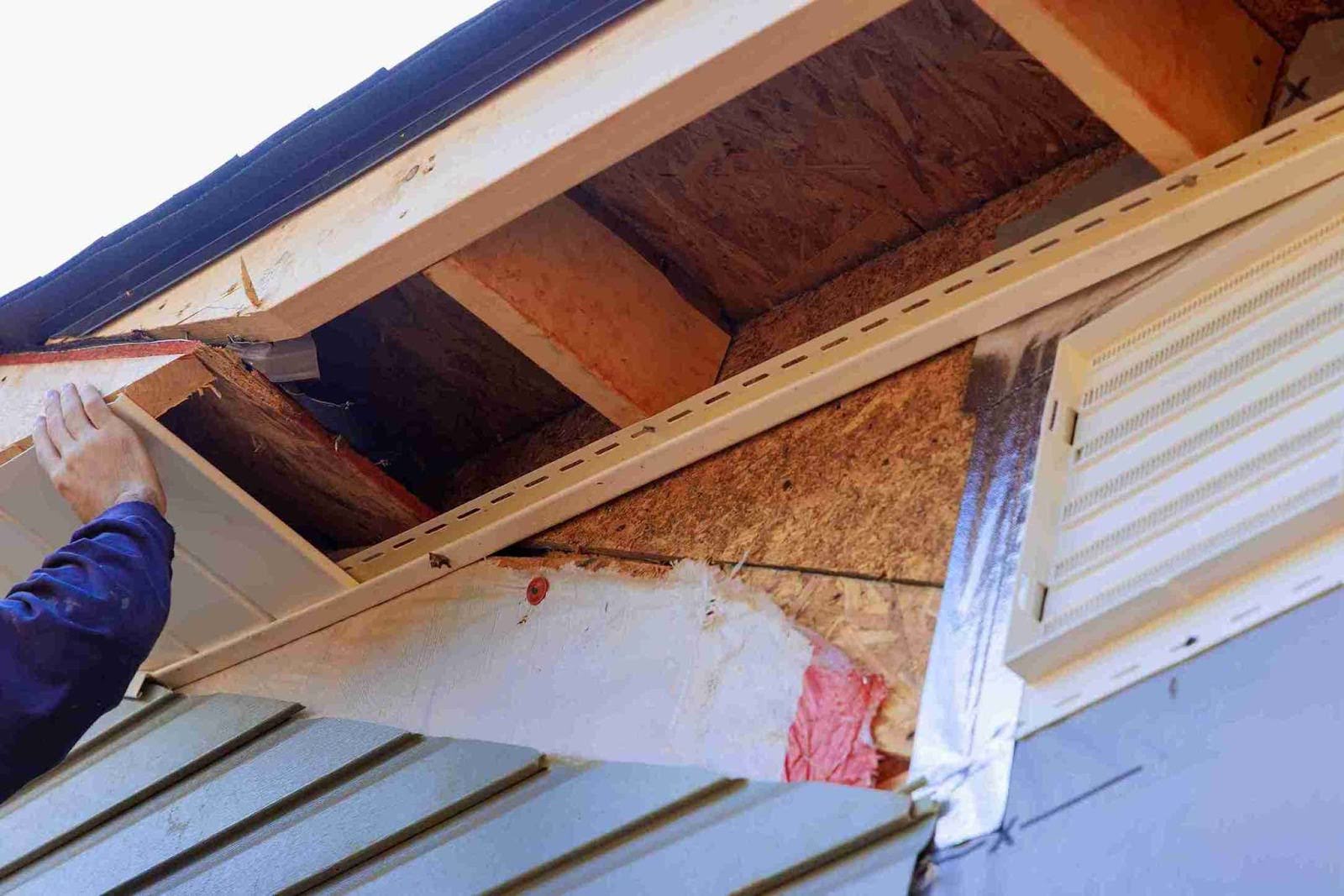
Florida’s weather doesn’t cooperate with roofing repairs. The same climate factors shortening overall roof lifespan also reduce how long repairs hold up.
UV radiation hits Florida roofs with relentless intensity year-round. New shingles installed next to weathered ones start breaking down immediately under the same assault that aged the existing roof. The repair might look fresh today, but it won’t take long before showing similar wear patterns.
Thermal cycling stresses roof repairs differently than new installations. Florida roofs expand and contract constantly as temperatures swing from cool mornings to blazing afternoons. Repaired sections experience this movement at seams where new materials meet old—weak points where separation occurs faster than on uniformly aged systems.
Humidity accelerates algae and mold growth across Florida. Repaired areas often grow algae at different rates than surrounding older shingles. Moisture trapped in transition zones between old and new materials promotes rot in underlying deck and supports.
Hurricane-force winds test roof repairs harder than typical weather. Areas where new shingles integrate with old become potential failure points. Wind can lift shingles along repair edges more easily than across uniformly sealed surfaces.
Rain patterns in Florida create unique challenges. The state’s intense downpours dump water faster than almost anywhere else. Repaired valleys, flashing areas, and patched sections must handle extreme water volumes without leaking. Any installation imperfection shows up quickly.
Why Repeated Repairs Often Signal Replacement Is Near
One repair doesn’t mean the roof is falling apart. Two repairs in the same year raise questions. Three or four repairs over a couple years? That’s a roof sending clear messages about its remaining lifespan.
The pattern reveals itself gradually. First, shingles blow off during a spring storm. Six months later, a different section develops a leak around a vent pipe. Then granules start washing into gutters in noticeable quantities. Each individual repair might seem reasonable in isolation, but together they paint a picture of systemic decline.
This pattern costs more than homeowners realize:
- Individual repair bills add up over time
- Money could have gone toward a new roof instead
- Repairs buy time but at increasingly poor return rates
Insurance companies notice repeated claims too. A homeowner who files three roof-related claims in two years catches underwriter attention. Carriers might non-renew the policy or require full inspection before the next renewal period.
Some homeowners fall into a trap where they keep repairing because each individual repair costs less than replacement. This makes perfect sense from a short-term budget perspective. The problem comes when the repair cycle extends for years and cumulative cost approaches replacement territory while the roof’s condition continues deteriorating.
How Repairs Affect Insurance and Future Inspections
Insurance companies care intensely about roof repairs, but not always in ways homeowners expect. Well-documented repair history can actually help during inspections, while undocumented work raises red flags.
When an insurance inspector examines a roof, they’re looking for remaining useful life and signs of proper maintenance. A homeowner who can produce receipts showing professional repairs of storm damage demonstrates responsible property stewardship.
Poor documentation creates problems:
- Mismatched shingles without contractor information
- Work done without proper permits
- Questions about installation quality and code compliance
- Carriers might require full professional inspection
Repair timing matters for insurance purposes. A homeowner who repairs documented storm damage within a reasonable timeframe maintains good standing with their carrier. Someone who lets damage sit for months before fixing it sends signals about property maintenance standards that underwriters notice.
Multiple repairs in close succession trigger different insurance responses than the same repairs spread over many years. Three storm damage repairs over fifteen years suggests bad luck with weather. Three repairs in two years suggests a failing roof becoming an increasing liability.
Some repairs can actually lower insurance costs if done properly. Adding hurricane straps during a decking repair, upgrading to impact-resistant shingles when replacing storm-damaged sections, or improving roof-to-wall connections during flashing work all count as wind mitigation improvements that might qualify for premium discounts.
Guardian Home works with homeowners to ensure all roof work gets documented properly and meets insurance company requirements, protecting coverage and property values down the road.
How to Decide Between Repairing and Replacing Without Guesswork
Making this decision requires looking at multiple factors simultaneously rather than focusing on any single element.
Start with age to eliminate obvious decisions:
- Under 10 years old with localized damage: almost always repair
- Over 20 years old with significant damage: almost always replace
- Between 10-20 years: requires analysis based on condition and damage extent
Evaluate damage as a percentage of total roof surface:
- Less than 20% damaged with solid rest: repairs make sense
- More than 40% damaged: replacement becomes more cost-effective
- Between 20-40%: requires professional assessment of undamaged sections
Consider how long the homeowner plans to stay in the house. Someone planning to sell within two years might choose repairs to get through the sale process. A homeowner staying ten more years needs to think about whether repairs will last that long or just delay inevitable replacement.
Get multiple professional opinions, but understand how contractor business models affect their recommendations. The most helpful opinions come from contractors who clearly explain their reasoning based on specific roof conditions rather than their preferred type of work.
Examine the roof deck condition carefully. If decking shows rot, water damage, or structural weakness in multiple areas, repairs won’t address underlying problems. Replacing damaged decking in several locations while trying to preserve the existing roof system rarely works out well.
Think about energy efficiency and building code changes. Older roofs might meet code standards from when they were installed but fall short of current requirements. Full replacement allows homeowners to upgrade to modern energy-efficient materials and meet current wind resistance standards.
Review insurance requirements because carriers increasingly scrutinize roof condition during underwriting. If repairs extend the roof’s lifespan by three years but the insurance company will require replacement in two years anyway, the repair money gets wasted.
Check whether the roof qualifies for PACE financing. PACE financing covers roof replacements but not repairs. If a homeowner needs to replace the roof within a few years anyway, accessing financing now to replace rather than paying out of pocket for repairs might make better financial sense.
Frequently Asked Questions
How much do roof repairs cost in Florida?
Repair costs vary based on what needs fixing. Replacing missing shingles, repairing flashing, or fixing damaged valleys all carry different price points. The only way to know actual costs is getting detailed estimates from licensed contractors who inspect the specific damage. Beware of quotes given over the phone without seeing the roof.
Will insurance cover roof repairs or only full replacement?
Insurance coverage depends on what caused the damage and policy terms. Damage from covered perils like hurricanes, fallen trees, or hail usually gets covered whether repairs or replacement are needed. Age-related deterioration, wear and tear, and poor maintenance don’t get covered. The insurance company decides whether damage warrants repair or replacement based on their inspection.
How long do roof repairs last in Florida’s climate?
Properly executed repairs using quality materials might last five to fifteen years depending on the roof’s overall condition and weather exposure. Coastal properties see shorter repair lifespans than inland homes because of salt air and higher winds. Repairs on newer roofs last longer than the same repairs on aging systems. Florida’s intense UV and frequent storms stress repaired areas just like the rest of the roof.
Can I repair just part of my roof if the rest looks okay?
Yes, and this makes perfect sense in many situations. Roofs don’t fail uniformly. One side might face more sun exposure and age faster. Storm damage might concentrate on one slope while other sections remain untouched. Repairing only the damaged section saves money and extends the overall roof system’s life.
What happens if I keep repairing an old roof instead of replacing it?
This strategy works temporarily but eventually costs more overall while leaving homeowners with an old roof that’s still aging. Each repair addresses immediate problems without stopping deterioration happening across the entire system. Insurance companies start questioning coverage on heavily repaired old roofs. At some point, cumulative repair costs approach replacement territory.
Ready to Make the Right Decision for Your Roof?
Get expert assessment from experienced contractors who understand Florida’s unique climate challenges. Whether your roof needs targeted repairs or complete replacement, honest professional guidance protects both your home and budget.
Call Guardian Home at (727) 761-6778 or visit guardianhome.us for a thorough roof inspection and clear answers about your repair versus replacement options.