Are you considering adding solar panels to your home? Rooftop solar can lower your electricity bills and reduce your carbon footprint, but it’s important to understand how it may affect your homeowners insurance. When you install a solar system, your insurance company needs to be informed to ensure proper coverage.
This guide will explain everything you need to know about solar panel insurance Florida homeowners should be aware of—how solar power impacts your policy, what’s typically covered if damage occurs, and the essential steps to take before and after installation. By staying informed, you can enjoy the financial and environmental benefits of solar energy while keeping your investment fully protected.
The Basics: Solar Panels and Home Insurance Cover
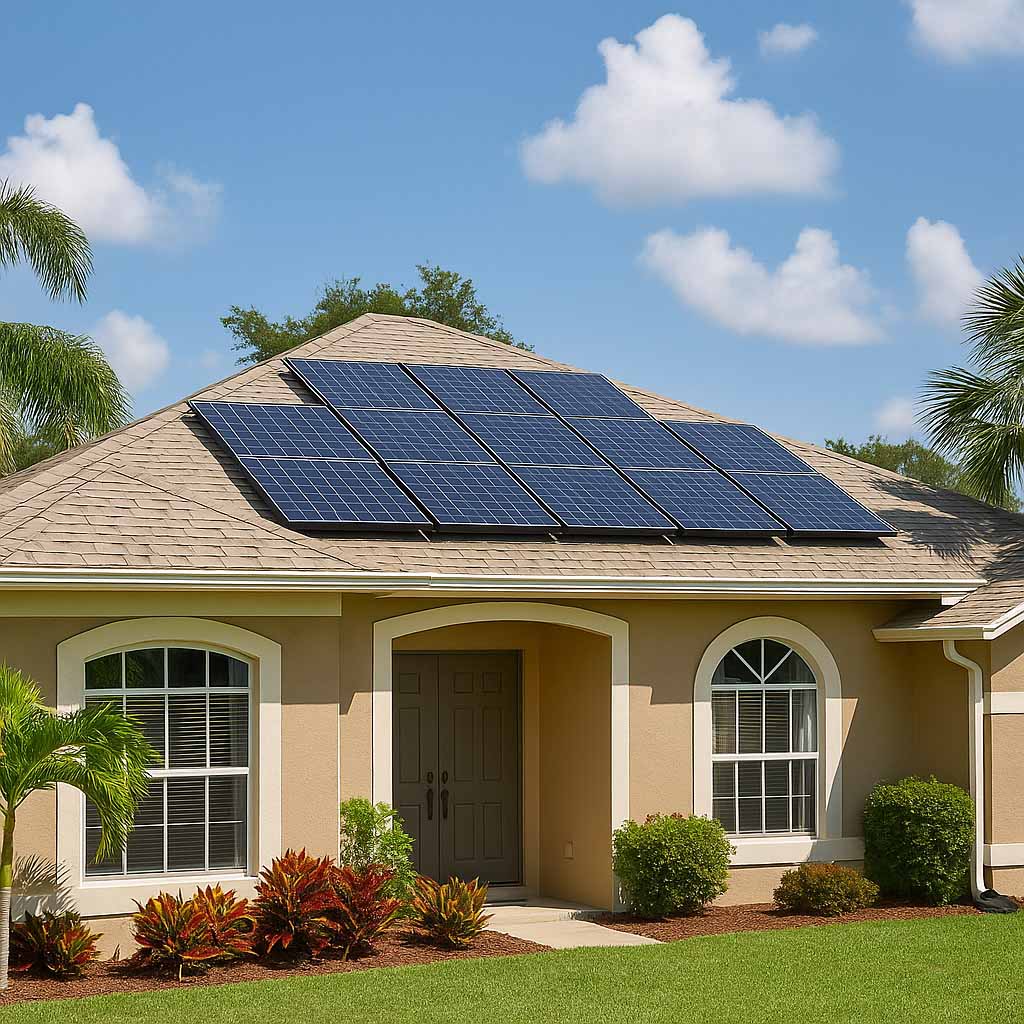
Solar panels are devices that turn sunlight into electricityfor sustainable energy. They usually sit on your roofand help power your home with renewable energy. When you add a system, your propertybecomes more valuable because these panels cost money to buy and install.
Most homeowners insurance policies will cover solar panels as part of your house. But you might need to make some changes to your insurancepolicy. Sometimes, you’ll need to add something called a “rider” or “endorsement” to make sure your system is fully covered by your home insurance cover.
Insurancecarriersare getting better at understanding solar energy. Some studies show that homes with well-installed rooftop solarhave fewer roofproblems than homes without them. This is good news because it means solar panels can actually make your propertysafer when installed correctly by qualified contractors.
Before installing solar panels, talk to both a solar expert and your insurance carrier. Many Florida familyhomeowners find this helps make sure their investment in solar poweris protected through their property insurance.
How Solar Panels Affect Your Insurance Costs
When you add a solar systemto your home, the value of your propertygoes up. This might change how much you pay for your homeowners insurance policy.
Most homeowners see a small increase in their insurance costs—usually between 3% and 5%. But don’t worry! The money you save on electricitybills from your solar energysystem often makes up for this small increase in your homeowners insurance.
The cost change depends on several things:
- How well the solar panels are installed by contractors
- How big your solar systemis on your roof
- Where you live (areas with lots of hail or strong winds might cost more for insurance)
- How old your solar powersystem is
- The quality of your equipment and its warranty
Insurance companies are working with solar energygroups to better understand rooftop solarinstallations. This helps carriersoffer better coverage without charging too much extra on your home insurancepolicy.
If you’re thinking about getting solar panels, ask your insurance carrier about possible changes to your bill. Some insurance companies even offer discounts if you bundle different types of insurancetogether, like combining your property insurance with your vehicle insuranceor life insurance.
What’s Covered: Risks and Exceptions
You need to know what is covered and what isn’t when you add solar panels to your home. Most standard homeowners insurance covers damagesfrom fire, wind, hail, theft, and other common problems.
When you add a solar system, your insurancepolicy typically covers:
- Fire damage to your solar panels or related equipment
- Wind and hail damage to your rooftop solar(though you might pay more in areas with lots of hail)
- Theft of your solar equipment
- Vandalism to your solar panels
- Some electrical problems (with added coverage)
However, your home insurancemight not cover:
- Problems from poor installation by contractors
- Manufacturer defects
- Changes to your roofmade without proper permits
- Normal wear and tear on your solar panels
It’s important to read your homeowners insurance policy carefully and talk to your insurance carrier. Ask specific questions about what is and isn’t covered with your solar energysystem. If something isn’t covered by your property insurance, you might want to get extra protection through your solar panelcompany’s warrantyor another service.
Keep all your paperwork from your solar installation. Take pictures, save contracts and inspection reports, and keep warrantyinformation about your renewable energy system. This documentation will help if you ever need to make a claim to your insurance company.
Coverage Limits and Policy Changes
When you add solar panels, your insurance carrier might need to adjust your coverage limits. Coverage limits are the maximum amount your homeowners insurance will pay if something happens to your home or solar system.
Your insurance company may ask for a new home appraisal that includes your rooftop solar. This helps carriersdecide how much coverage you need. Some insurance companies treat solar panels as part of your house, while others see them as a separate system with their own coverage limits in your homeowners insurance policy.
Your insurance carrier might change your policy in several ways:
- Add the solar panels to your regular home insurance cover
- Create a separate limit just for your solar system
- Offer special coverage for high-tech sustainable energysystems
- Add special coverage for wind or hail damage in risky areas
Your home insurancemight also change the amount you pay when you make a claim (called a deductible). If your solar panels have good warrantyprotection and were installed by certified contractors, you might get a lower deductible. If the installation was risky, your deductiblefor solar-related damagesmight go up.
Talk to your insurance company to understand how installing solar panels affects your policy details. Review your property insurance policy every year and keep good records to help get fair coverage for your solar energyinvestment.
Special Concerns for Fancy and Custom Homes
If you have a luxury or custom-built home, adding solar panels requires extra attention from your insurance carrier. In these homes, solar energysystems are often part of the overall design and may use special technology or look more stylish than standard rooftop solarsystems.
Insurance companies look at several things for luxury homes with solar panels:
- Custom installation costs by specialized contractors (design, materials, and special labor)
- How the solar panels look with your home’s roofdesign
- Advanced solar technology that might need extra coverage in your homeowners insurance policy
- Different risks to propertyin upscale neighborhoods
- Extended warrantyagreements and service contracts for your solar system
If you have a luxury home, you might want to talk to an insuranceexpert who specializes in high-value properties. They can help Florida familyhomeowners get the best coverage for their unique situation, combining home insurancewith liability insurancefor complete protection of their sustainable energyinvestment.
What to Do Before and After Installing Solar Panels
Before Installation:
- Talk to your insurance carrier about how solar panels will affect your homeowners insurance policy
- Get everything in writing about your solar systeminstallation, including warrantyinformation from contractors
- Have professionals check if your roofcan support rooftop solar
- Get quotes from different insurance companies that understand solar energyand renewable energy systems
After Installation:
- Tell your insurance company right away about your new solar panels
- Send them all your paperwork, including photos and receipts for your solar system
- Schedule an inspection to make sure everything was installed correctly on your roof
- Review any changes to your deductiblefor solar-related damages
- Keep track of how well your solar energysystem is working
Studies show that homeowners who update their property insurance right after installing solar panels have fewer problems if they need to make a claim for hail or wind damage. Many Florida familyhomeowners find this especially important during hurricane season.
Review your homeowners insurance policy every year, at the same time you maintain your solar panels. This helps make sure your coverage stays up to date with any changes in your solar system‘s value or technology. Remember that your home insurance cover and warrantyprotection work together to safeguard your investment in sustainable energy.
At Guardian Home, we not only install high-quality solar systems but also guide Florida homeowners through the details that matter—like insurance requirements, warranties, and long-term maintenance. Our team ensures your solar investment is fully protected and delivering maximum value. Contact Guardian Home today to schedule your free solar consultation and see how we can help you make a confident, stress-free transition to solar energy.