
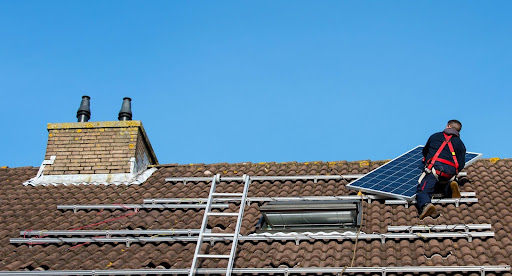
Florida Solar Panel Downsides And How to Avoid Them

Florida Solar Panel Downsides & How to Avoid Them | Guardianhome

Written by

Published on

October 17, 2025

Florida Solar Panel Downsides & How to Avoid Them | Guardianhome

Florida’s sunny weather makes installing solar panels sound like a great idea for homeowners. Who wouldn’t want lower electric bills and less dependence on the power company? Thousands of Florida families consider solar panels every year, and for good reason.

But here’s the thing: solar panels are a big purchase, and like any major home improvement, they come with some downsides you should know about first.

You’re probably wondering: What if I want to sell my house later? Will my electric bill really go down? Are there any rules that might limit what I can install? These are smart questions to ask before you sign anything. Let’s talk about the real challenges some homeowners face and how you can avoid them.

When Solar Panels Make Selling Your Home Harder

You know how some houses sit on the market forever? Sometimes, solar panels are part of the reason. It’s not that solar is bad, but buyers often get nervous when they see panels on the roof.

Here’s what scares them: Many buyers don’t understand if they’re buying the panels or just taking over payments. They worry about contracts they might have to sign or wonder who pays if something breaks. Some people just think solar means more maintenance and problems they don’t want to deal with. That’s why understanding reroofing with solar panels <link to blog 2> before doing anything will help you navigate your planned project.

You can easily avoid this headache. First, consider owning your panels instead of leasing them. When you own them, they’re yours and add value to your house. Keep all your paperwork in one place, including warranties, records of your savings, and performance details for the system. Future buyers love seeing real numbers.

Additionally, find a real estate agent who is knowledgeable about solar homes. They can explain to buyers why your panels are actually a good thing, not a problem. The right agent turns your solar system into a selling point, rather than something that scares people away.

Why Some Homeowners Still Face High Electric Bills
Florida Solar Panel Downsides & How to Avoid Them | Guardianhome

Nothing’s more frustrating than getting solar panels and still having a high electric bill. This happens more often than you might think, but usually for reasons you can control.

Sometimes the solar system is too small to meet the amount of electricity your family actually uses. At other times, people install panels and then use significantly more electricity than before. You got an electric car, added a pool, or just stopped worrying about turning off lights.

Florida weather doesn’t help either. Even though we get lots of sun, those summer storms and cloudy weeks can significantly reduce the amount of power your panels produce. Plus, you’ll still have some electric bill every month – the power company charges connection fees even if your panels cover all your electricity use.

Some people think solar means unlimited free electricity. That’s not how it works. Solar panels are designed to cover your everyday electricity use, not unlimited use.

Here’s how to avoid bill shock: Get a professional to review your actual electricity usage before making any changes. Don’t just guess or use averages; instead, use precise measurements. Use the apps that come with most solar systems to watch how much power you’re making and using. If your usage increases significantly after installation, you’ll notice it immediately.

Consider doing other energy-saving improvements when you get solar. Features like LED lights, improved insulation, or more efficient appliances can enhance the performance of your solar panels and help you save more money.

Understanding the 120% Rule and Its Impact

There’s a rule called the 120% Rule that can limit the number of solar panels you can install on your house. Most people have never heard of it until they attempt to install solar panels. Here’s what it means: You can’t install more solar panels than your home’s electrical box can handle. The rule states that your solar system cannot exceed 120% of the rating of your electrical panel.

Why does this matter? Many older homes lack electrical panels that can accommodate large solar systems. This means you need to upgrade your electrical panel before installing the solar system you want to install. That costs extra money you weren’t planning for.

For families that use a lot of electricity or plan to add an electric car later, this rule limits the amount you can save with solar.

Here’s the good news: Guardian Home’s licensed installers check your electrical system during your first meeting. They’ll tell you right away if you need an electrical upgrade, so there are no surprises later.

Getting a new electrical panel modernizes your home. It lets you install more solar panels if you want to expand later. You can also easily add battery backup systems. Modern electrical panels are safer and can handle the increasing number of electric appliances that many families are purchasing.

Additional Considerations for Florida Solar Buyers

Florida Solar Panel Downsides & How to Avoid Them | Guardianhome

A few other things can go wrong with solar panels if you’re not careful.

Bad installation can damage your roof. Some installers lack expertise and may create leaks or void your roof warranty. This is entirely avoidable if you hire licensed professionals who know how to install panels without damaging anything. Have your roof inspected before installation, and ensure your installer is knowledgeable in both solar and roofing systems.

Solar panels require minimal maintenance, but they’re not completely maintenance-free. You’ll need to have them checked occasionally and cleaned if they get dirty. It’s not a big deal, but some people think they never have to think about their panels again once they’re installed.

Some people worry that solar panels look ugly on their house. If this bothers you, discuss with your installer where to place them and which type of panels look best. Modern panels look significantly better than the old ones, and skilled installers know how to make them appear neat and organized.

Making Smart Solar Decisions in Florida

Solar panels remain a wise choice in sunny Florida, but it’s essential to be aware of these potential issues before making a purchase. The good news is that most problems can be avoided with good planning and the right installer.

Don’t let these downsides scare you away from solar. Instead, use this information to ask more informed questions and make better decisions. Get quotes from licensed installers who will be honest about what to expect. Ensure they inspect your roof and electrical system before providing a price.

Ready to learn more? Schedule a meeting with Guardian Homes today to determine if solar energy is a good fit for your home and your family’s needs.

Frequently Asked Questions About Florida Solar Installation

Can I save money by financing a roof instead of paying cash?2025-10-21T18:43:10+00:00

Often, yes. Financing lets you keep your cash for emergencies. The insurance discounts and energy savings often make up for the interest you pay. If you get a home equity loan, the interest might be tax-deductible, which saves you even more money.

What happens to PACE financing if I sell my home?2025-10-21T18:42:47+00:00

The new owner just takes over the payments. This makes your house more appealing to buyers because they get a new roof with affordable payments already in place. The payments stay with the house, not with you.

Can I use insurance money to pay for a financed roof?2025-10-21T18:42:11+00:00

Yes, you can. Many homeowners use their insurance payout as a down payment to reduce how much they need to finance. Or they use the insurance money to upgrade to better materials. Your roofer can assist you in working with your insurance company.

How long does PACE financing approval take?2025-10-21T18:41:48+00:00

Usually, it takes 5-10 business days after you turn in your paperwork. It’s faster than regular home improvement loans because they don’t require a credit check. You’ll need your property tax records, proof of income, and basic information about your house.

What credit score is required for roof financing?2025-10-21T18:41:21+00:00

Most financing works with credit scores of 600-650 or higher. PACE financing doesn’t check your credit at all, so it works even if your credit isn’t great. Home equity loans might still work with lower credit if you have enough equity in your home.

The Author: Dan Massaad

CEO | Co-Founder of Guardian Home

Dan Massaad, the CEO and co-founder of Guardian Home, leads the company’s efforts in offering energy-efficient home solutions.

Go to Top