
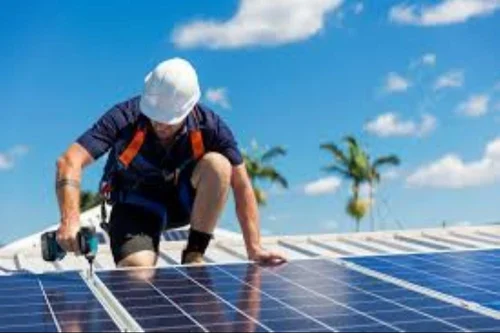
With abundant sunshine and rising electricity rates, Central Florida is one of the best regions for solar energy. Still, many homeowners have questions about the overall cost of solar installation Florida residents can expect and how to finance such an important investment. In this guide, we’ll break down the typical expenses involved in solar panel installation, explain how PACE (Property Assessed Clean Energy) financing can make the switch more affordable, and share practical tips to help you maximize your long-term savings.
1. How Much Do Solar Panels Cost in Central Florida?
The cost of solar panel installation varies depending on several factors, including the size of the system, the type of panels, and your energy needs. On average, here’s what you can expect:
A. Average Cost of Solar Panels
- Residential Solar Systems: $15,000 to $30,000 for a typical 5kW to 10kW system.
- Cost per Watt: Between $2.50 and $3.50 per watt.
B. Factors Affecting Solar Costs
- System Size: Larger systems cost more but offer greater energy savings.
- Panel Type: Monocrystalline panels (higher efficiency) are typically more expensive than polycrystalline panels.
- Roof Condition: Older or damaged roofs may need repairs or replacement, adding to the cost.
- Installation Complexity: Roof angle, shading, and structural requirements can impact labor costs.
2. Understanding Solar Panel Cost Components
A solar panel system’s cost includes several components:
- Solar Panels: The primary cost, accounting for 50-60% of the total price.
- Inverters: Convert DC electricity from panels to AC for home use. Costs range from $1,000 to $3,000.
- Mounting Hardware: Secure panels to your roof, costing around $1,000 to $2,000.
- Labor and Permits: Installation costs vary but typically range from $2,000 to $5,000.
- Batteries (Optional): For energy storage, adding $5,000 to $10,000.
3. Solar Savings: How Much Can You Expect to Save?
Solar panels can significantly reduce or eliminate your electricity bill. Here’s how:
A. Monthly Savings
- Average Florida homeowner saves $100 to $250 per month on electricity bills.
- Over 25 years (the lifespan of solar panels), savings can reach $20,000 to $50,000.
B. Net Metering Benefits
Florida’s net metering policy allows homeowners to sell excess energy back to the grid, further lowering utility costs.
C. Increase in Home Value
Solar panels increase property value by an average of 4%, making your home more attractive to potential buyers.
4. How PACE Financing Makes Solar More Affordable
PACE financing offers a flexible, accessible way to fund solar panel installation without upfront costs.
A. What is PACE Financing?
PACE (Property Assessed Clean Energy) is a government-backed program that finances energy-efficient upgrades, repaid through property taxes over time.
B. Key Benefits of PACE for Solar
- No Upfront Costs: Covers 100% of the solar installation cost.
- Fixed, Predictable Payments: Spread over 10-25 years with a fixed interest rate.
- Based on Property Equity: Approval is based on your home’s value, not your credit score.
Transferable Upon Sale: The remaining PACE balance transfers to the new homeowner.
5. Example of Solar Installation with PACE Financing
Scenario: A homeowner in Orlando wants to install a 7kW solar system costing $20,000.
- PACE Financing: Covers the full $20,000 with no upfront payment.
- Monthly PACE Payment: $150 (over 20 years).
- Monthly Energy Savings: $200 from reduced electricity bills.
- Net Savings: