Summary:
Roof-integrated solar systems blend solar technology directly into roofing materials, offering a clean, low-profile alternative to traditional panels. This guide explains how integrated solar works, its aesthetic advantages, and the real tradeoffs in cost, efficiency, maintenance, and long-term reliability—helping homeowners decide whether the design benefits outweigh the added complexity.
Roof-integrated solar systems represent a different approach to residential solar energy. Instead of mounting panels on brackets above existing shingles, these systems incorporate solar technology directly into the roofing material itself. Tesla’s Solar Roof grabbed headlines, but several manufacturers now produce solar shingles, tiles, and integrated panels that serve as both power generators and weather protection.
Homeowners considering this technology face a real dilemma. The appearance advantage is undeniable. These systems create smooth, uniform rooflines that solar installations can’t match. Property values often increase, and neighbors won’t complain about bulky equipment disrupting the streetscape. But stories circulate in roofing and solar communities about leak problems, repair nightmares, and costs that spiral beyond initial estimates.
The question isn’t whether integrated solar looks better. The real question is whether that aesthetic advantage justifies the added complexity, expense, and potential maintenance headaches over decades of use.
What Are Roof-Integrated Solar Systems?
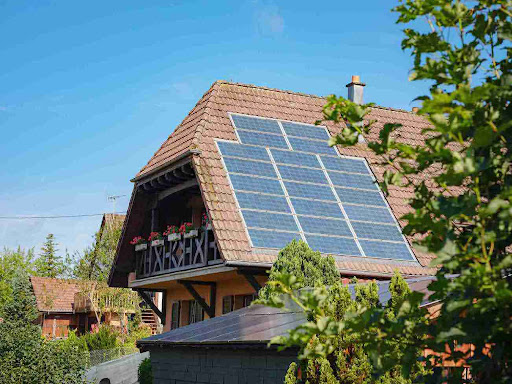
Roof-integrated solar means the photovoltaic components become part of the actual roofing structure rather than sitting on top as separate equipment. Solar shingles might look almost identical to premium asphalt shingles from street level, with small solar cells embedded in each piece. Solar tiles mimic clay or concrete roof tiles while generating electricity.
Traditional solar installations mount panels on metal racks bolted through the roof into structural supports. The existing roof stays intact underneath. Integrated systems eliminate that separation. The solar components ARE the roof in those areas, which changes everything about how water shedding, ventilation, and repairs work.
These installations make sense for:
- New construction projects designed around solar from the start
- Complete roof replacements where homeowners need new roofing anyway
- Properties in neighborhoods with strict architectural guidelines
- Luxury homes where appearance matters as much as performance
The Aesthetic Benefits
Clean, Low-Profile Look
Traditional solar creates a raised profile with visible gaps between panels and the roof surface. Metal frames catch light differently from roofing materials. Wiring conduits run across rooflines to reach inverters and electrical panels.
Integrated systems eliminate all that visual clutter. Solar shingles or tiles seamlessly integrate with standard roofing materials. No brackets protrude above the roofline. No gaps exist for birds to nest under or for debris to accumulate. From the street, many integrated installations look like standard premium roofing until someone points out the subtle difference in texture or sheen.
Homeowners’ associations increasingly recognize this difference. Communities that ban or heavily restrict traditional solar often approve integrated systems because the appearance stays consistent with neighborhood aesthetics.
Curb Appeal and Resale Value
Real estate markets respond to appearance. Integrated solar systems avoid buyer objections by maintaining or even enhancing curb appeal. Buyers see a modern, premium roof that generates electricity rather than an add-on system that might need removal or replacement.
Properties with integrated solar often market themselves as cutting-edge smart homes rather than houses with solar equipment bolted on as an afterthought. In environmentally conscious areas, integrated systems might command premium prices because they appeal to buyers who want both sustainability and sophisticated design.
The Biggest Maintenance Concerns
Difficult Repairs
The same integration that creates visual appeal makes repairs complicated. When a solar shingle fails, replacing it means removing and reinstalling surrounding roofing materials. Electricians need access to wiring that runs underneath or within the roofing structure.
Finding qualified repair technicians presents challenges:
- Most roofers lack electrical expertise
- Most solar installers don’t handle roofing materials beyond mounting brackets
- Integrated systems require professionals comfortable with both trades
- Some manufacturers require certified installers to preserve warranties
Component failures create bigger problems than they would with traditional systems. A failed solar panel on a rack mount gets swapped out quickly. A failed section of solar roofing might require removing dozens of shingles or tiles to access the problem area, then matching materials that may have weathered or changed color since installation.
Leak Risk
Every roof penetration represents a potential water entry point. Traditional solar installations create penetration points where mounting brackets bolt through roofing materials, but these locations get sealed with proper flashing and waterproofing compounds.
Integrated solar systems create dozens or hundreds of connection points between individual shingles, tiles, or panel sections. Each seam, each wire run, each electrical junction needs perfect sealing to keep Florida’s tropical storms outside where they belong. Installation quality matters enormously.
The problem compounds over time. Roofing materials expand and contract with temperature changes. Wind lifts edges. Settling structures shift slightly. All these normal aging processes can break seals or open gaps in integrated systems more easily than in traditional roofs, where the waterproofing layer exists separately from any solar equipment.
Heat Buildup
Traditional solar panels sit several inches above the roof surface. Air flows underneath, carrying away heat that builds up from sun exposure. This cooling effect actually helps panel efficiency since photovoltaic technology performs better at moderate temperatures.
Integrated systems sit directly against or within the roof deck. Heat from solar absorption is transferred into roofing materials and attic spaces rather than dissipating into moving air. In hot climates like Central Florida, Texas, or Arizona, this heat buildup can reduce solar production compared to properly ventilated rack-mounted installations.
The extra heat affects more than just electricity production:
- Attic temperatures rise, forcing air conditioning systems to work harder
- Roofing materials age faster under sustained high temperatures
- Adhesives and sealants break down more quickly
- Energy savings are partially offset by increased cooling costs
Cost Comparison
Installation Costs
Integrated solar systems typically cost substantially more than equivalent rack-mounted installations. Part of this price difference reflects the dual nature of the work. Crews need both roofing and electrical expertise. Installation takes longer because each component must serve structural, waterproofing, and electrical functions simultaneously.
Labor costs escalate beyond simple installation time. Roof preparation becomes more complex because integrated systems require perfect substrate conditions. Any irregularities in the roof deck need correction before installation begins. Underlayment, flashing, and waterproofing details all become more complicated when dealing with materials that conduct electricity.
Repair and Replacement Costs
Long-term cost concerns often exceed initial installation premiums. When sections of integrated solar need replacement years after installation, finding matching materials becomes difficult or impossible. Manufacturers discontinue product lines. Colors fade differently on aged versus new materials. Technology changes make old and new components incompatible.
Homeowners facing these situations sometimes discover their only option is replacing the entire solar roof rather than patching failed sections. Insurance companies sometimes balk at covering these repairs since they blur the line between roofing and electrical work.
The specialized labor required for integrated solar repairs means fewer contractors bid on jobs. Without competition, prices stay high. Some homeowners report waiting weeks or months for repairs that traditional solar installers could complete in days.
Performance and Energy Output
Integrated solar systems generate less electricity per square foot than high-efficiency rack-mounted panels in most installations. The performance gap stems from several factors. Heat buildup reduces efficiency as previously discussed. Integrated systems often can’t achieve optimal tilt angles that maximize sun exposure throughout the year.
Traditional solar installations typically convert 18 to 22 percent of sunlight into electricity using current mainstream panels. Integrated solar shingles often produce in the 14-18% efficiency range. That difference compounds over decades of operation.
This efficiency gap matters most for properties with limited south-facing roof space. Many Florida homes have complex rooflines with multiple orientations, trees that create shading, or other constraints. Those properties benefit from every percentage point of additional efficiency that traditional panels provide.
Are Roof-Integrated Systems Better for New Roofs?
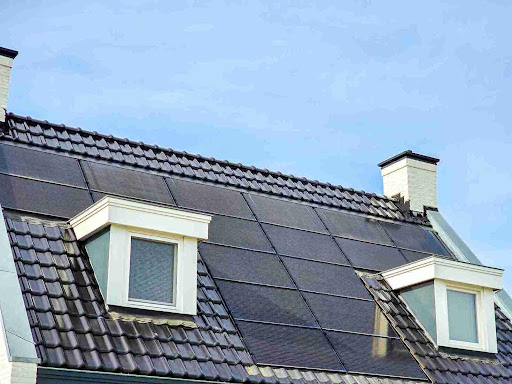
Roofing experts generally agree that integrated solar makes the most sense during new construction or complete roof replacement projects. Installing integrated solar on an existing roof that still has years of life remaining rarely makes financial sense. The homeowner pays for unnecessary roof removal and replacement.
New builds offer advantages:
- Structural engineers can design roof framing specifically for integrated solar
- Waterproofing gets incorporated into the initial construction
- Building inspectors review everything during standard new construction inspections
- No coordination headaches between separate solar and roofing permits
Complete roof replacements also work well for integrated solar adoption. Guardian Home helps Central Florida homeowners evaluate whether integrated solar makes sense during their roof replacement projects, considering factors like roof orientation, budget constraints, and long-term maintenance capabilities.
Warranties deserve careful attention regardless of timing. Roof warranties, solar production warranties, and installation workmanship warranties all need to align properly. Some integrated solar manufacturers offer combined warranties covering both roofing and electrical performance. Others split warranties between different aspects of the system, creating potential gaps.
The Verdict: Upgrade or Headache?
Roof-integrated solar systems deliver genuine advantages in specific situations but create real problems in others. Homeowners need an honest assessment of whether the benefits justify the costs and risks for their particular property and circumstances.
The strongest case for integrated solar includes:
- New construction or immediate roof replacement is needed
- Sufficient budget to absorb premium costs
- Architectural requirements that prohibit or restrict traditional solar
- Strong preference for clean aesthetics
- Willingness to accept efficiency tradeoffs for appearance benefits
Homeowners should probably avoid integrated solar when:
- Working with existing roofs in good condition
- Operating on tight budgets where every dollar of solar production matters
- Living in very hot climates where heat buildup significantly impacts efficiency
- Needing maximum electricity generation from limited roof space
The maintenance concerns can’t be dismissed. Anyone choosing integrated solar needs plans for finding qualified repair technicians, budget reserves for expensive repairs that traditional systems wouldn’t require, and acceptance that minor problems might turn into major hassles.
Frequently Asked Questions
Are solar shingles as efficient as traditional solar panels?
No, integrated solar shingles typically convert 14 to 18 percent of sunlight into electricity while standard panels reach 18 to 22 percent or higher. The efficiency gap means homeowners need more roof area to generate the same amount of power. Heat buildup and inability to optimize tilt angles further reduce integrated system performance compared to rack-mounted installations.
How long do roof-integrated solar systems last?
Manufacturers claim lifespans matching or exceeding traditional solar warranties. However, the technology hasn’t existed long enough to verify these claims through actual long-term performance data. The roofing materials themselves should last as long as premium shingles or tiles, but electrical components might fail sooner.
Can I install solar shingles on an existing roof?
Technically, yes, but it rarely makes financial sense. Installing integrated solar on an existing roof means removing and discarding roofing materials that still have useful life remaining. The removal and disposal costs plus new roofing/solar installation expenses typically exceed installing traditional solar panels on brackets over the existing roof by a significant margin.
Does homeowner’s insurance cover integrated systems?
Coverage varies by insurance company and policy. Some insurers treat integrated solar as part of the roofing system and cover it under standard dwelling coverage. Others classify it as electrical equipment requiring separate endorsements. Florida homeowners should verify coverage details before installation since the state’s insurance market handles solar installations inconsistently.
Is the maintenance more expensive than regular panels?
Yes, significantly more expensive in most cases. Repairs require coordinated roofing and electrical work rather than simple panel swaps. Finding qualified technicians takes longer and costs more. Component replacement often involves removing and reinstalling surrounding roofing materials, turning minor repairs into major projects.
What happens if my integrated solar roof develops leaks?
Leak repairs in integrated solar systems require specialized expertise in both roofing and electrical work. The complexity means repairs take longer and involve more labor than traditional roof repairs. Homeowners should work with contractors experienced in integrated solar systems who can properly diagnose whether leaks stem from roofing issues, electrical penetrations, or installation problems.
Do integrated solar systems void my roof warranty?
This depends on the manufacturer and installation method. Some roofing material manufacturers offer integrated solar products with combined warranties. Others may void traditional roofing warranties if solar components are added. Always clarify warranty coverage before installation and get documentation showing how roof and solar warranties interact.
Can I mix integrated solar with traditional roofing materials?
Yes, most installations combine integrated solar sections with standard roofing materials. Homeowners typically install solar shingles or tiles on south-facing roof planes that receive maximum sun exposure while using conventional materials on north-facing or shaded areas. This approach reduces costs while maintaining aesthetic consistency.
Will integrated solar work with my HOA restrictions?
Integrated solar often gets approved in communities where traditional solar panels face restrictions. The low-profile appearance satisfies architectural guidelines that standard rack-mounted systems violate. However, HOA approval isn’t guaranteed. Review your community’s specific rules and submit installation plans for approval before proceeding.
Ready to Make the Right Roofing Decision for Your Home?
Guardian Home helps Central Florida homeowners navigate these complex decisions with expert guidance tailored to your specific property, budget, and energy goals.
Our team understands both roofing and solar technology inside and out. We’ll assess your roof’s condition, evaluate whether integrated solar makes sense for your situation, and provide honest recommendations about the best path forward. Whether you’re planning a complete roof replacement or exploring solar options for the first time, we’ll help you make informed decisions that protect your investment.
Schedule your free consultation today. Call (727) 761-6778 or visit guardianhome.us to discuss your roofing and solar needs with experts who prioritize your long-term satisfaction over short-term sales.