
Summary:
Florida’s hurricane season puts roofs under extreme stress from wind, rain, and flying debris. This guide explains proven hurricane-resistant roofing options and preparation steps that help Florida homeowners reduce storm damage, protect their families, and avoid costly roof failures.
Florida’s hurricane season brings powerful winds, torrential rains, and flying debris that can devastate unprepared homes. While homeowners can’t control when storms strike, they can take proactive steps to protect their most valuable investment. Professional roof replacement services become particularly important when existing systems show signs of wear or damage. The difference between minor repairs and catastrophic roof failure often comes down to preparation and professional maintenance.
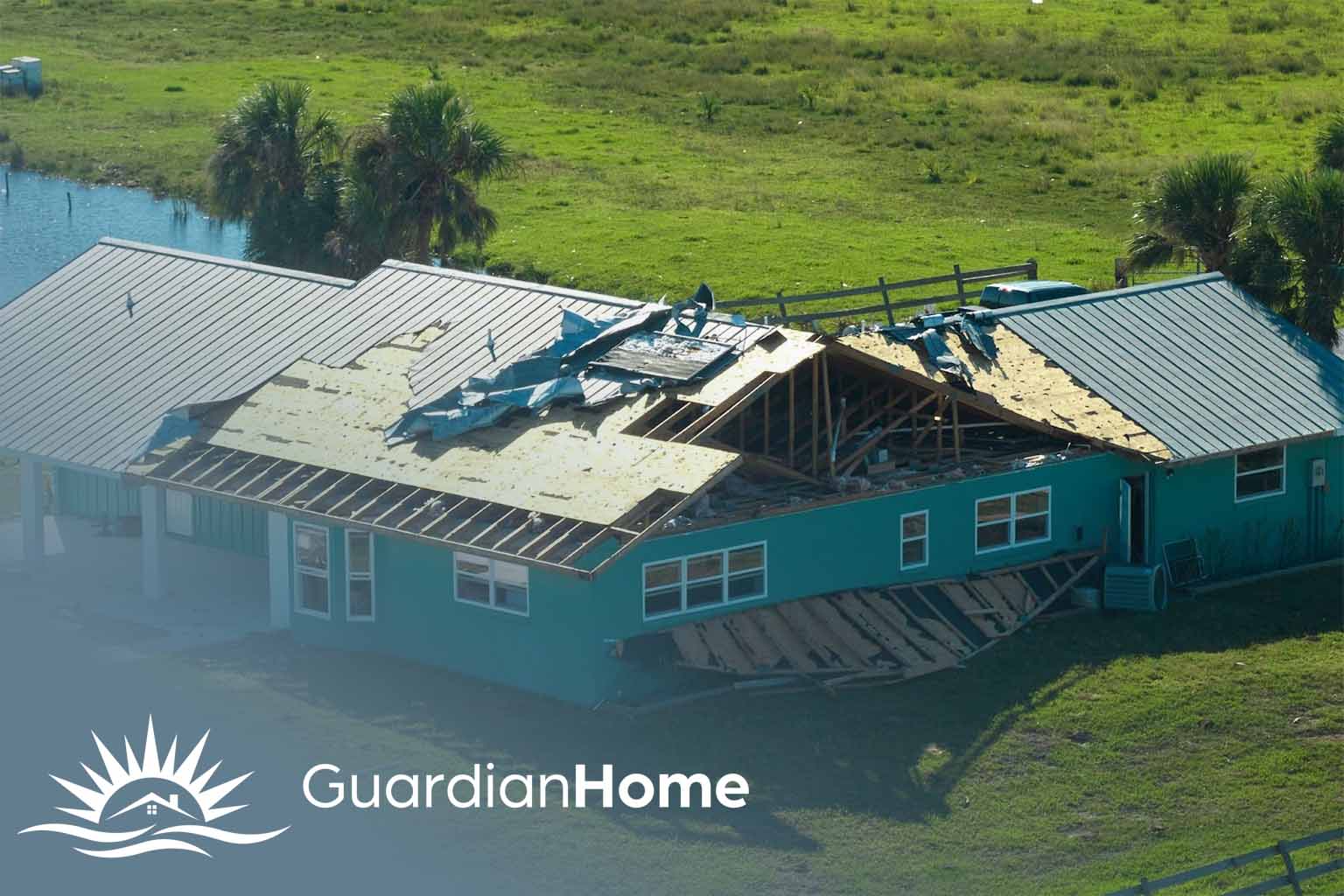
The Real Hurricane Threat to Your Roof
During hurricane conditions, roofs bear the brunt of nature’s fury. Wind speeds exceeding 74 mph create uplift forces that can literally peel roofing materials away from the structure. Water infiltration through even small gaps can cause thousands of dollars in interior damage, while flying debris turns everyday objects into projectiles capable of puncturing roofing systems.
The financial stakes are high. Insurance claims data show that roof damage accounts for nearly 70% of hurricane-related property losses in Florida. Beyond the monetary impact, compromised roofs pose serious safety risks to families who depend on their homes for shelter during and after storms.
7 Expert Tips for Hurricane-Ready Roofs
1. Schedule Professional Roof Inspections
Homeowners arrange professional roof evaluations well before hurricane season peaks. Trained inspectors identify problems that untrained eyes often miss, including loose or missing shingles, deteriorated flashing around chimneys and vents, and subtle signs of structural weakness. These early interventions prevent minor issues from becoming major failures during storm conditions.
Most roofing professionals recommend biannual inspections, with spring timing being ideal for pre-hurricane preparation. The investment in professional assessment pays for itself by catching problems while repairs remain manageable and affordable.
2. Upgrade to Storm-Resistant Materials
Modern roofing materials offer significantly better hurricane performance than older systems. Impact-resistant shingles can withstand hail and debris strikes that would damage standard materials. High-wind-rated products maintain their grip even when sustained winds reach dangerous levels.