
Professional window replacement is essential for storm protection, energy efficiency, and maintaining insurance coverage. Florida homes face hurricane-force winds, extreme heat, and strict insurance inspections that outdated windows cannot withstand.
Many homes still rely on single-pane glass or aging aluminum frames installed decades ago. These windows allow excessive heat gain, increase cooling costs, and create structural risk during hurricanes. When a window fails in high winds, internal pressure can lead to roof uplift, water intrusion, and major damage, a risk insurance carriers actively assess during inspections.
Modern impact-rated and energy-efficient windows are designed to meet Florida Building Code requirements, reduce heat transfer, and prevent insurance inspection failures. Understanding wind ratings, product approvals, and proper installation standards helps homeowners protect their homes long-term while avoiding coverage restrictions or non-renewals.
Why Window Replacement Matters in Florida Homes
Heat Gain and Energy Loss
In Florida homes, windows are the single largest source of heat gain. Older glass assemblies allow solar radiation to pass directly into living spaces, forcing air conditioning systems to run longer and cycle more frequently. During summer months, HVAC systems often turn on every 10–15 minutes, driving up electric bills and accelerating equipment wear.
Many homeowners assume rising cooling costs are an HVAC problem when the real issue is heat infiltration through outdated windows. Modern energy-efficient windows reduce solar heat gain while maintaining natural light, allowing cooling systems to operate as designed.
Storm Protection and Structural Risk
Hurricane protection depends on maintaining the building envelope. When wind speeds exceed 100 mph, a failed window allows pressure to rapidly enter the home. This pressure imbalance can lead to roof uplift, water intrusion, and catastrophic structural damage.
A broken window during a storm is not a minor issue; it can trigger total loss conditions. This is why insurance carriers place heavy emphasis on impact resistance and verified wind ratings during inspections.
Insurance Inspections and Coverage Risk
Florida insurance carriers increasingly evaluate window condition during property inspections. Homes with deteriorated frames, failed seals, improper installation, or insufficient wind ratings are frequently flagged for correction.
Common inspection failures include:
- Corroded aluminum frames, especially in coastal areas
- Condensation or moisture between glass panes
- Missing or inadequate wind ratings for the home’s zone
- Failed weatherstripping is causing air and water infiltration
- Improper installation, lacking required fasteners or flashing
Once documented, these issues follow the property through renewals, claims, and future sales. Many homeowners only discover the problem after receiving a non-renewal notice or coverage restriction.
Window Types for Florida Homes
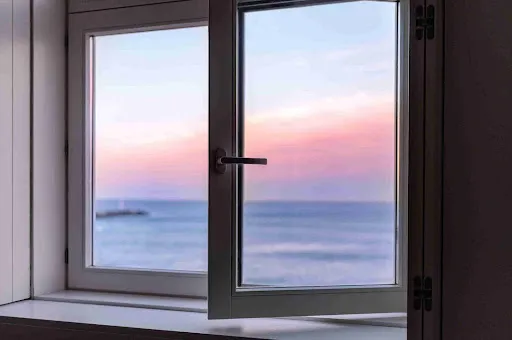
Window Types Designed for Florida Conditions
Hurricane Impact Windows
Impact-resistant windows use laminated glass with a durable polymer interlayer that holds shards together when struck. Unlike standard glass, impact windows remain intact even after debris impact, preserving the building envelope during extreme wind events.
Products are tested using large-missile impact protocols, including firing 2×4 lumber at mounted windows to verify performance under hurricane conditions. Florida-approved impact windows carry Miami-Dade or Florida Product Approval numbers (NOA), confirming compliance with the state’s most demanding standards.
Insurance carriers often offer wind-mitigation discounts for homes with properly documented impact windows. In many coastal and high-velocity hurricane zones, impact protection is required for new construction and major renovations.
Energy-Efficient Windows for Hot Climates
Energy-efficient windows designed for Florida use Low-E coatings that reflect infrared heat while allowing visible light to pass through. These coatings are tuned differently than those used in northern climates, prioritizing heat rejection rather than heat retention.
By reducing solar heat gain:
- Indoor temperatures remain more stable
- HVAC systems cycle less frequently
- Humidity control improves
- Electricity consumption decreases
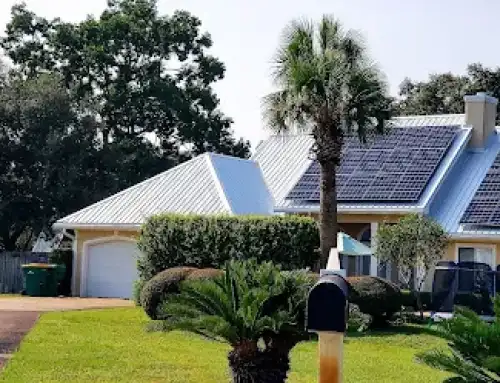
Homes with solar panels benefit even more when window upgrades reduce cooling demand, allowing each kilowatt-hour generated to offset a larger portion of usage.
Replacement Options for Existing Homes
Retrofit window replacement installs new units within existing openings, preserving interior trim and exterior finishes. This method is faster and less invasive when the surrounding structure is sound.
Full-frame replacement is required when framing shows rot, water damage, or structural movement. Older Florida homes often have moisture intrusion around window openings that must be corrected to meet current standards.
Concrete block walls, stucco exteriors, and older framing methods require experienced installers. Improper flashing or shortcuts during installation frequently lead to leaks, air infiltration, and inspection failures.
Florida Window Codes, Permits, and Inspections
The Florida Building Code establishes minimum performance requirements based on:
- County location
- Wind zone classification
- Building height and exposure
Coastal and high-velocity hurricane zones require higher impact and pressure ratings than inland areas. These standards are legally enforced through local permitting and inspections.
Typical permitting requirements include:
- Manufacturer specifications and product approval numbers
- Installation plans showing fastener spacing
- Engineered drawings for high-wind zones
- Jurisdiction-specific approval documentation
Inspections occur at multiple stages. Inspectors verify rough openings and flashing before installation and confirm fastener patterns, sealants, and weatherproofing at final inspection. Installations that fail inspection must be corrected before approval.
HOA-governed communities often require architectural review approval before work begins. Coordinating approvals early prevents delays and costly changes.
Window Replacement Cost in Florida
Window replacement costs in Florida are driven primarily by:
- Required wind and impact ratings
- Product approvals for the home’s zone
- Installation complexity and existing conditions
Impact-rated windows cost more than standard units, but the price reflects verified performance, longer lifespan, and insurance compliance. Homes in higher wind zones require stronger products, which directly affects pricing.
Older homes may require framing repairs, waterproofing corrections, or opening adjustments before installation. These preparatory steps are necessary to meet current code and inspection standards.
Quality windows reduce energy waste, pass insurance inspections, and protect homes during storms for decades. Lower-cost alternatives often lead to repeated failures and higher long-term expenses.
How Window Replacement Improves Energy Efficiency
Quality glass assemblies with proper coatings block most solar radiation while maintaining natural lighting levels. This keeps interior surfaces cooler, reduces heat felt by occupants, and lightens air conditioning loads. The difference becomes apparent within days as indoor temperatures stabilize and cooling cycles shorten.
HVAC performance improves when systems aren’t fighting constant heat infiltration. Equipment runs more efficiently, maintains better humidity control, and delivers more consistent comfort. The benefits extend beyond electricity savings to include longer equipment life and reduced maintenance needs.
Solar energy systems generate maximum value when windows reduce consumption. Lower cooling loads mean rooftop arrays offset a larger share of total usage, potentially achieving net-zero energy performance.
When to Replace Windows (Signs Homes Miss)
Condensation between glass panes signals seal failure that won’t self-correct. Moisture penetrated because the edge seals failed, allowing humid air to enter the assembly. Insulating properties degrade, and the foggy appearance persists until the window is replaced.
Other warning signs include:
- Drafts around closed window perimeters indicate failed weatherstripping
- Visible corrosion on aluminum frames, especially in coastal areas
- Difficulty operating windows due to deteriorated mechanisms
- Insurance inspection documentation flagging inadequate ratings
- Cracked or damaged glass compromising structural integrity
Insurance flags require immediate attention. Documented deficiencies create records that follow properties through sales and coverage applications. Ignoring these issues can lead to coverage denials or claim rejections when storm damage occurs.
Why Guardian Home for Window Replacement
Florida-specific expertise separates qualified installers from contractors learning on the job. Understanding how windows interact with building codes, insurance requirements, and climate conditions matters when projects need to pass inspections and perform properly for decades.
Licensed and permitted installations protect homeowners legally and financially. Proper permitting ensures inspections happen, work meets code, and improvements get documented for insurance and resale purposes.
Guardian Home provides:
- Coordination with roofing and solar projects
- Single source accountability for integrated systems
- Complete permit handling and inspection management
- Florida Building Code compliance verification
Frequently Asked Questions
Protect Your Home and Insurance Coverage
Window replacement is one of the most important upgrades Florida homeowners can make to protect against storms, reduce energy costs, and maintain insurance eligibility. Guardian Home handles product selection, permitting, inspections, and installation to ensure every window meets Florida Building Code standards and insurance requirements.
Guardian Home serves homeowners across Tampa Bay and surrounding areas, including Pinellas, Hillsborough, Pasco, Citrus, and Marion Counties. Contact Guardian Home today to schedule your free consultation.