
Summary:
Solar panels sound appealing, but they aren’t always a perfect fit for every Florida home. This article breaks down the real challenges homeowners face with solar—including resale complications, high electric bills, electrical panel limits, and installation risks—and explains how to avoid them with proper planning.
Florida’s sunny weather makes installing solar panels sound like a great idea for homeowners. Who wouldn’t want lower electric bills and less dependence on the power company? Thousands of Florida families consider solar panels every year, and for good reason.
But here’s the thing: solar panels are a big purchase, and like any major home improvement, they come with some downsides you should know about first.
You’re probably wondering: What if I want to sell my house later? Will my electric bill really go down? Are there any rules that might limit what I can install? These are smart questions to ask before you sign anything. Let’s talk about the real challenges some homeowners face and how you can avoid them.
When Solar Panels Make Selling Your Home Harder
You know how some houses sit on the market forever? Sometimes, solar panels are part of the reason. It’s not that solar is bad, but buyers often get nervous when they see panels on the roof.
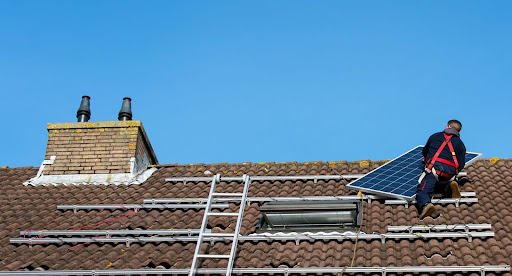
Here’s what scares them: Many buyers don’t understand if they’re buying the panels or just taking over payments. They worry about contracts they might have to sign or wonder who pays if something breaks. Some people just think solar means more maintenance and problems they don’t want to deal with. That’s why understanding reroofing with solar panels before doing anything will help you navigate your planned project.
You can easily avoid this headache. First, consider owning your panels instead of leasing them. When you own them, they’re yours and add value to your house. Keep all your paperwork in one place, including warranties, records of your savings, and performance details for the system. Future buyers love seeing real numbers.
Additionally, find a real estate agent who is knowledgeable about solar homes. They can explain to buyers why your panels are actually a good thing, not a problem. The right agent turns your solar system into a selling point, rather than something that scares people away.
Why Some Homeowners Still Face High Electric Bills
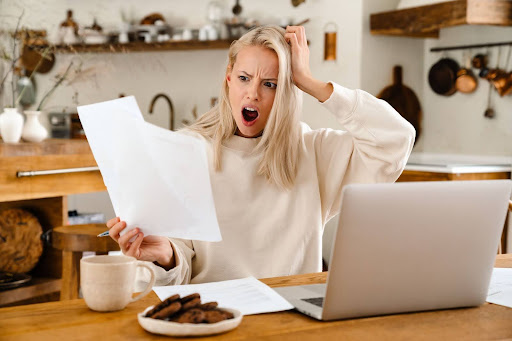
Nothing’s more frustrating than getting solar panels and still having a high electric bill. This happens more often than you might think, but usually for reasons you can control.
Sometimes the solar system is too small to meet the amount of electricity your family actually uses. At other times, people install panels and then use significantly more electricity than before. You got an electric car, added a pool, or just stopped worrying about turning off lights.
Florida weather doesn’t help either. Even though we get lots of sun, those summer storms and cloudy weeks can significantly reduce the amount of power your panels produce. Plus, you’ll still have some electric bill every month – the power company charges connection fees even if your panels cover all your electricity use.
Some people think solar means unlimited free electricity. That’s not how it works. Solar panels are designed to cover your everyday electricity use, not unlimited use.
Here’s how to avoid bill shock: Get a professional to review your actual electricity usage before making any changes. Don’t just guess or use averages; instead, use precise measurements. Use the apps that come with most solar systems to watch how much power you’re making and using. If your usage increases significantly after installation, you’ll notice it immediately.
Consider doing other energy-saving improvements when you get solar. Features like LED lights, improved insulation, or more efficient appliances can enhance the performance of your solar panels and help you save more money.